A Failure to Launch
Play A Failure to Launch
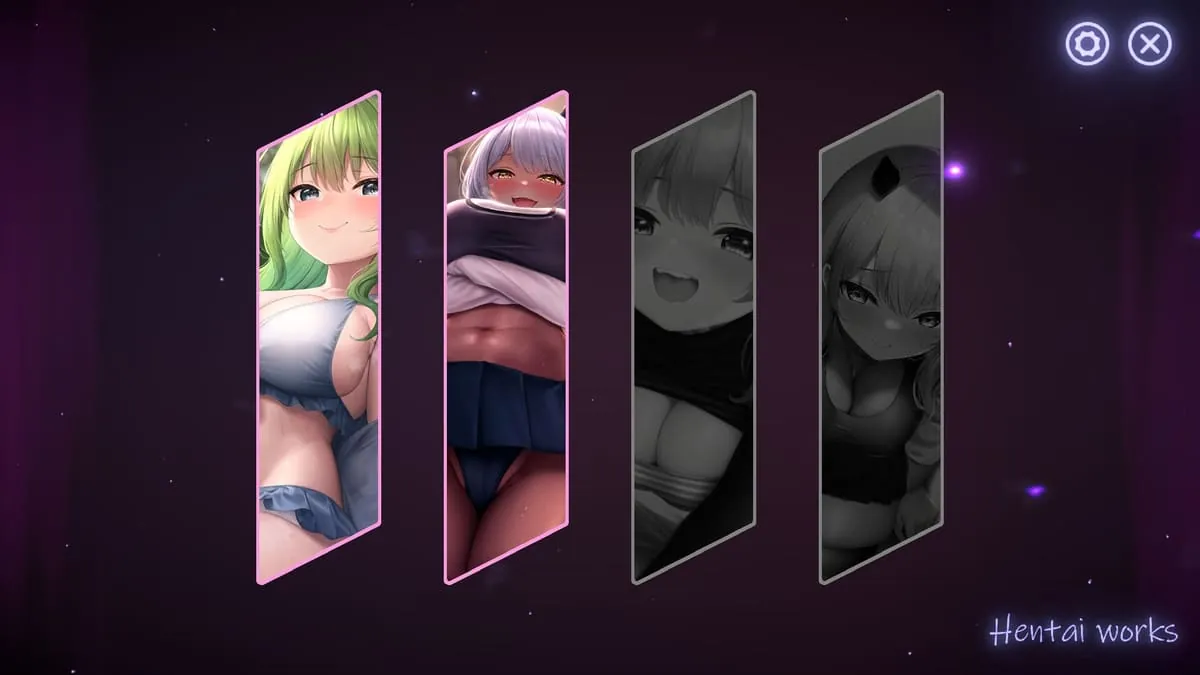
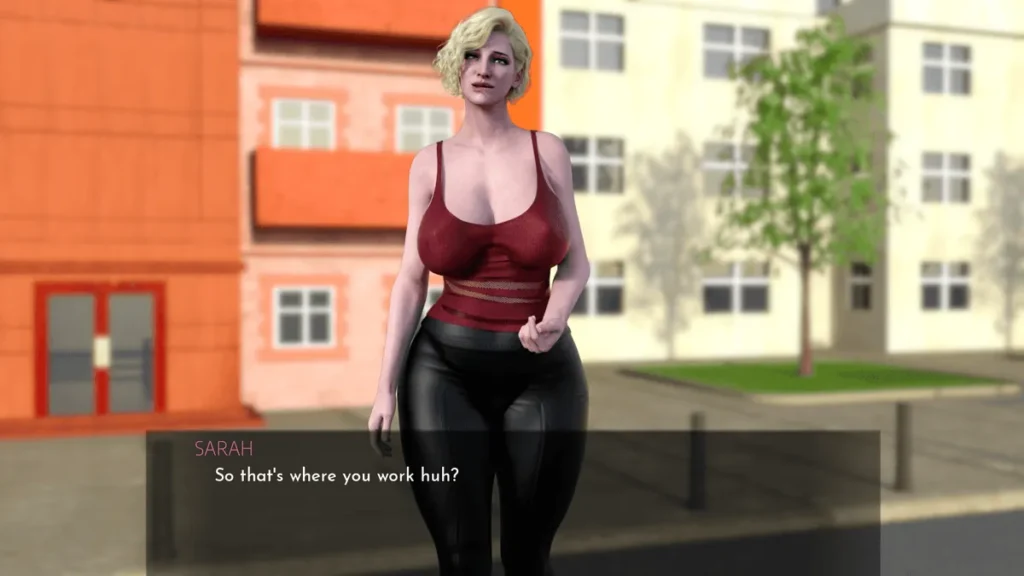
A Failure to Launch Screenshots









A Failure to Launch review
Unpacking the Challenges Behind This Adult Visual Novel’s Rocky Start
Ever poured your heart into creating something amazing, only to watch it flop on launch day? That’s the story of ‘A Failure to Launch’, an intriguing adult visual novel that captured my attention with its bold themes of personal growth and intimate relationships. I remember stumbling upon it during a late-night Steam browse, excited by the premise of a young adult navigating family dynamics and self-discovery in a steamy narrative. But despite its potential, it struggled to gain traction amid Steam’s crowded market. In this post, I’ll dive deep into what went wrong, share gameplay highlights, and offer actionable advice to help devs avoid similar pitfalls. If you’re a fan, developer, or just curious about indie game hurdles, stick around for honest insights and tips.
Why Did A Failure to Launch Struggle at Launch?
I remember the first time I saw it. Buried on the “New and Trending” page for about five minutes before it vanished. The title was a groan-worthy pun that hooked me immediately: A Failure to Launch. A visual novel about adult responsibilities, dating, and the paralyzing fear of your own potential? That felt way too real. 😅 I clicked, intrigued by the art and the premise. But something was off. It had a handful of reviews, but the wishlist numbers seemed… modest. The discussion boards were quiet. A game with such a clever, self-aware title about stalling in life had ironically stalled in its own commercial journey. I wasn’t just looking at a game; I was witnessing a classic case of indie game launch failure.
So, what happened? Why did a game with such a relatable concept struggle to find its audience? The story of A Failure to Launch is a masterclass in the modern indie struggle, especially within the niche of adult-oriented visual novels. Let’s unpack the challenges.
What Makes Steam Discovery So Tough for Adult Titles?
Let’s be brutally honest: launching any indie game on Steam is like shouting into a hurricane. Now, add the “adult” tag. It’s not just a hurricane; it’s a hurricane with a bureaucratic filter over your mouth. 🌀🤐 Steam visibility for adult games is a unique and brutal challenge, and it’s a core reason behind the rocky start for A Failure to Launch.
First, there’s the algorithmic wall. Steam’s discovery algorithms are wishlist-hungry beasts. They prioritize games building momentum before they go live. The “Popular Upcoming” list is the golden ticket, but getting there requires a critical mass of wishlists that many adult games struggle to achieve. Why? Because a significant portion of Steam users browses with the adult content filter turned off, instantly hiding your game from their view. You’re starting the race with an invisible handicap.
Second, the review threshold. Steam’s system starts to genuinely promote your game once you cross a certain number of reviews. Gaining those initial, crucial A Failure to Launch reviews is monumentally harder when your primary discovery tool (the Steam store itself) is partially gated. Players can’t wishlist or buy what they can’t see unless they explicitly opt-in. This creates a vicious cycle: no visibility leads to no sales, which leads to no reviews, which reinforces the no-visibility problem. It’s a foundational answer to why indie games fail on Steam.
For a game like A Failure to Launch, this meant the core audience—players interested in mature, narrative-driven experiences—had to already be looking for it, or stumble upon it through sheer luck. The platform itself offered little organic help.
Key Marketing Mistakes That Doomed the Debut
Understanding the platform’s challenges is step one. Step two is acknowledging where the marketing strategy itself fell short. Here’s where the story of A Failure to Launch offers hard-learned visual novel marketing tips by illustrating what not to do. 🚫
-
The Silent Pre-Launch: The most successful indie launches are events, not surprises. This game suffered from a quiet, understated approach in the crucial 6-12 months before launch. There was no consistent building of a community hub (like a dedicated Discord), no drip-feed of compelling content (character bios, music samples, lore snippets), and most damagingly, no playable demo released in time for major Steam events.
-
Missing the Festival Train: Speaking of events, skipping Steam Next Fest was a monumental misstep. Next Fest is arguably the single most powerful tool for how to get Steam wishlists. It’s a concentrated period where players are actively looking to wishlist demos. For a narrative game, not having a demo slice available during this period meant missing out on tens of thousands of potential eyeballs and wishlist conversions. Competitors in the same niche were there, building massive lists.
-
Scattershot Community Outreach: Simply posting a launch trailer on a few subreddits like r/visualnovels is not a strategy. It’s an announcement. Effective promotion involves engaging with communities before you need something from them. Sharing development insights, asking for feedback on early assets, and becoming a valued member of the community builds authentic interest. The promotion for A Failure to Launch felt transactional and too late, leading to posts that gained little traction—a classic Reddit promotion fail.
To see these missteps in stark contrast, let’s look at a comparison of strategies.
| Strategy | Success Example | Failure in A Failure to Launch | Actionable Tip |
|---|---|---|---|
| Prologue/Demo Strategy | Releasing a polished, stand-alone prologue 6+ months pre-launch to build wishlists and gather feedback. | No demo available pre-launch; missed Steam Next Fest entirely. | Build a vertical slice (30-60 mins) of your best content. Submit it for Steam Next Fest—it’s non-negotiable. |
| Community Building | Creating a Discord server early, sharing exclusive WIP content, and fostering a core fanbase. | Minimal pre-launch community presence; engagement started mostly post-launch. | Open a Discord server the day you set up your Steam page. Engage daily, not just when you have news. |
| Content Drip Marketing | Regularly posting character art, music, dev blogs, and short clips to Twitter, TikTok, and Instagram. | Inconsistent content flow; long silences between announcements. | Create a content calendar. Even one polished post per week keeps you on the radar of algorithms and fans. |
| Steam Page Optimization | Using all capsule slots, compelling GIFs in the description, and clear tags to attract the right audience. | A functional but not optimized page that failed to immediately hook a scrolling user. | Treat your Steam page as your #1 sales asset. Use animated capsules and descriptive GIFs to show, not just tell. |
How Player Feedback Shaped Its Post-Launch Path?
This is where the story of A Failure to Launch becomes genuinely inspiring. While the launch was rocky, it wasn’t fatal. The developers didn’t disappear. Instead, they did the most important thing an indie dev can do: they listened. 👂
The initial A Failure to Launch reviews, while few, were packed with valuable feedback. Players pointed out pacing issues in the early chapters, desired more branching choices, and asked for quality-of-life features like a backlog and save slots. Crucially, the developers engaged publicly with these reviews, thanking players for their candor and outlining their update plans.
This transparent communication began to turn the tide. A post-launch roadmap was shared. Substantial updates were released not just fixing bugs, but actively expanding and refining the narrative based on player suggestions. They added the requested features, tightened the writing, and demonstrated a clear commitment to the game’s long-term vision. This post-launch resilience is a powerful lesson in managing an indie game launch failure.
The community noticed. Discussions on the Steam forums became more constructive. Positive reviews started to mention the responsive devs as a key reason for their recommendation. The game began to build a reputation not just for its story, but for the team’s dedication behind it. They used the initial stumble as a foundation to build a stronger, more trusted relationship with their players.
The journey of A Failure to Launch—the game—mirrors its own themes. It’s about stumbling out of the gate, confronting harsh realities, and choosing to grow from the experience. For indie developers watching, especially in tough niches, its path offers a clear pre-launch blueprint to avoid the same pitfalls.
The lesson isn’t just to avoid failure, but to build a foundation so strong that you can survive it and rebuild.
Pre-Launch Checklist for Visual Novel Devs:
* Create a Steam page and demo at least 6 months before launch. This is your number one wishlist driver.
* Build a community hub (Discord) from day one. Nurture it with exclusive updates and genuine interaction.
* Plan your content calendar. Consistently share art, music, and dev logs across social media.
* Target Steam Next Fest. Schedule your demo release around this event. It’s your best marketing tool.
* Analyze your competitors. See what similar successful games did in their first year and learn from their strategy.
Reflecting on ‘A Failure to Launch’, it’s a stark reminder that even the most compelling adult visual novels need smart marketing to shine on Steam. From grappling with discovery hurdles to learning from player input, the journey highlights resilience in indie dev. I’ve shared my take, tips, and stories to help you navigate similar challenges—whether playing or creating. If this resonated, grab the game, leave a review, or share your launch tales in the comments. Let’s turn those failures into launches that soar—what’s your next move?