Dark Magic
Play Dark Magic
Dark Magic Screenshots













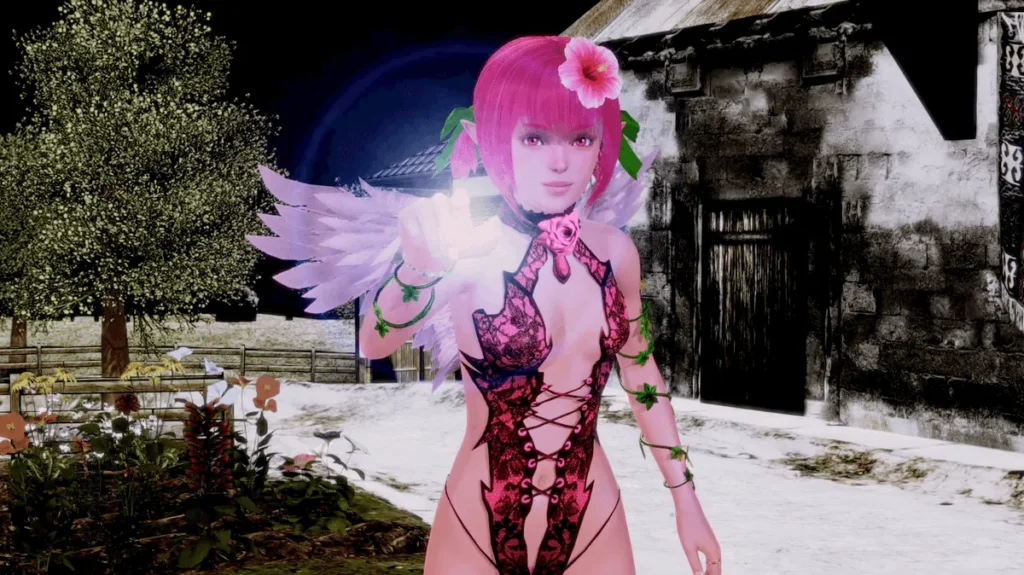





Dark Magic review
A deep dive into the world of Dark Magic, its gameplay, and unique features
Dark Magic is an adult RPG that blends fantasy adventure with mature themes, offering players a unique experience in a world filled with magic, intrigue, and adult content. This game stands out for its engaging story, deep character interactions, and immersive gameplay. Whether you’re drawn to the fantasy setting or the adult elements, Dark Magic delivers a memorable journey. In this article, we’ll explore what makes this game special, from its mechanics to its adult content, and why it’s worth checking out for fans of the genre.
Gameplay and Mechanics
Let’s be honest: the real test of any role-playing game isn’t the story it tells in the first hour, but the one you create through dozens of hours of play. Does the world react to your choices? Do your character’s abilities feel uniquely yours? Does the combat system make you think, or just mash buttons? My first night with Dark Magic gameplay was a wake-up call. I arrogantly charged into a cavern, relying on old RPG habits, and was swiftly dismantled by a pack of shadow-wargs. That’s when I realized Dark Magic wasn’t playing by the usual rules. It demands strategy, foresight, and a deep connection to the dark arts your character wields. This chapter is your grimoire to mastering that experience.
Combat System and Strategy
Forget static turn-based menus or mindless click-fests. The combat system in Dark Magic is a brutal, beautiful dance of timing, positioning, and resource management. It’s real-time with a twist: the “Arcane Focus” active pause. 🎯 With a tap of a key, time distorts, letting you queue up spells, reposition your character, or analyze an enemy’s glowing weak point—all while the chaos momentarily stills. This isn’t a “win button”; your focus pool depletes quickly, forcing you to use this tool judiciously.
What truly defines the Dark Magic combat feel is the “Corruption & Consequence” mechanic. Many of your most powerful spells build a Corruption meter. Let it fill unchecked, and you risk horrific backfires or even temporary loss of control. I learned this the hard way when a maximized Void Lance critically failed and turned my own spectral ally against me. 😅 The genius is that you can spend built-up Corruption to fuel even more devastating, high-risk ultimate abilities. It creates a constant, thrilling risk-reward loop that makes every encounter a strategic puzzle.
Enemies are smart and exploit your weaknesses. Archers will pin you down while brutes close in, and spellcasters will disrupt your own incantations. You need to use the environment—lure foes into toxic swamps you’ve created, or collapse a rocky outcrop on them. This layered approach means no two fights ever play out the same way, which is a huge boost to the game’s replayability.
Character Progression and Skills
Your journey from a fledgling occultist to a master of the void is defined by its deep and flexible character progression. You don’t just pick a class and stick to it; you forge your own path through three interconnected skill trees: The Path of Blood, The Way of Shadows, and The Void Caller. Each tree offers a completely different philosophy of power.
- The Path of Blood is about raw, life-force manipulation. It’s visceral and personal, with skills that leech health from enemies to fuel your own attacks or create explosive sacrifices from defeated foes. 💀
- The Way of Shadows focuses on deception, mobility, and psychic damage. Here, you’ll find abilities to phase through walls, create damaging illusions, and attack the minds of your enemies, leaving their bodies unharmed but their sanity shattered. 👻
- The Void Caller is the archetypal summoner and controller of raw entropy. This tree lets you bend reality, summon unstable entities from the between-spaces, and debilitate enemies with curses that weaken them to your other spells.
The beauty is in the blending. You are never locked into one tree. Investing in Blood magic might unlock a hybrid skill in the Shadow tree that lets you turn your lifesteal into a damaging aura. This encourages incredible experimentation and truly unique builds.
To show you how these paths diverge, here’s a look at how a single playstyle—area control—is handled across the trees:
| Skill Tree | Core Philosophy | Example Area Skill | Playstyle Impact |
|---|---|---|---|
| The Path of Blood | Direct Damage & Sustain | Circle of Sacrifice | Creates a zone that damages all inside, healing you for a portion of the damage dealt. Encourages aggressive positioning. |
| The Way of Shadows | Control & Deception | Dusk Shroud | Conjures a fog that slows and blinds enemies, while making you harder to hit. Favors tactical, hit-and-run engagement. |
| The Void Caller | Summoning & Debilitation | Rift of Abeyance | Opens a unstable portal that periodically pulls enemies in and damages them. Allows for battlefield manipulation and zoning. |
Unique Features and Innovations
Beyond the stellar core loop, Dark Magic is packed with unique features that cement its identity. The crown jewel is the “Spell Fusion” system. This isn’t just upgrading a fireball to a fireball+. You can combine base spell sigils at a ritual altar to create entirely new effects. Fuse a basic chain lightning sigil with a shadow bind sigil, and you might create “Chain Lash,” a spell that bolts between enemies and roots them in place. The possibilities are vast, and discovering a new fusion feels like a genuine act of arcane discovery. ✨
Another standout innovative mechanic is the “Legacy of Choices.” The game tracks not just your major story decisions, but how you fight, which schools of magic you favor, and even how often you use Corruption. This silently influences world events, available quests, and how NPCs—and even enemies—react to you. A character known for excessive Void magic might find certain towns closed to them, but might also unlock unique dialogues with forbidden cults. This systemic reactivity is a huge driver for replayability, as a second playthrough can feel wildly different based on a new magical focus alone.
Pro Tip: Don’t hoard your spell sigils! Experiment with fusion early and often. Some of the most useful utility spells come from unexpected combinations, and they can completely reshape your approach to a tough area.
Finally, the game embraces its adult themes not just in narrative, but in mechanic. Certain powerful rituals or forbidden knowledge may require morally complex sacrifices or alliances, permanently altering your character’s abilities and the world’s state. These aren’t simple “good or evil” sliders; they are weighty decisions with tangible, mechanical consequences that make your power feel earned, and often, stained.
Ultimately, the Dark Magic gameplay experience is one of unparalleled ownership. Your combat style, your character progression, and the very world you interact with are shaped by a series of deep, interlocking systems. It’s a game that respects your intelligence and rewards your creativity, inviting you to not just play a story, but to write your own twisted legend in the ink of shadow and spellfire. 🖋️🔥
Dark Magic offers a rich and engaging experience for fans of adult RPGs, combining deep gameplay mechanics with a compelling story and mature themes. Its unique features and innovative mechanics set it apart from other games in the genre, making it a must-play for those looking for something different. Whether you’re here for the fantasy adventure or the adult content, Dark Magic delivers on all fronts. Dive into the world of Dark Magic and discover what makes it a standout title in the adult RPG space.