Deathable
Play Deathable
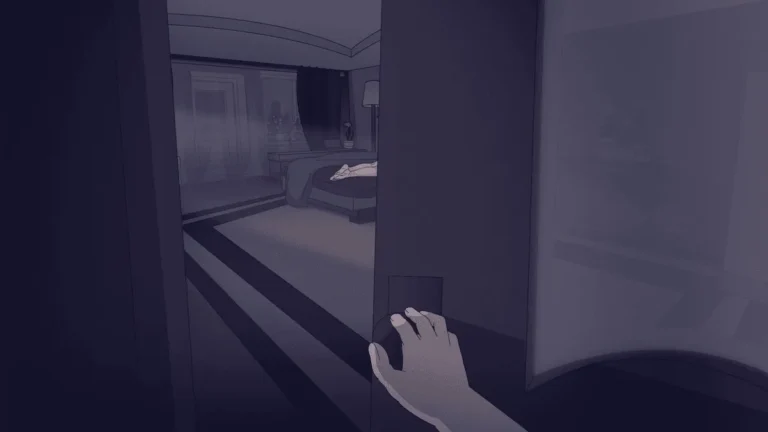
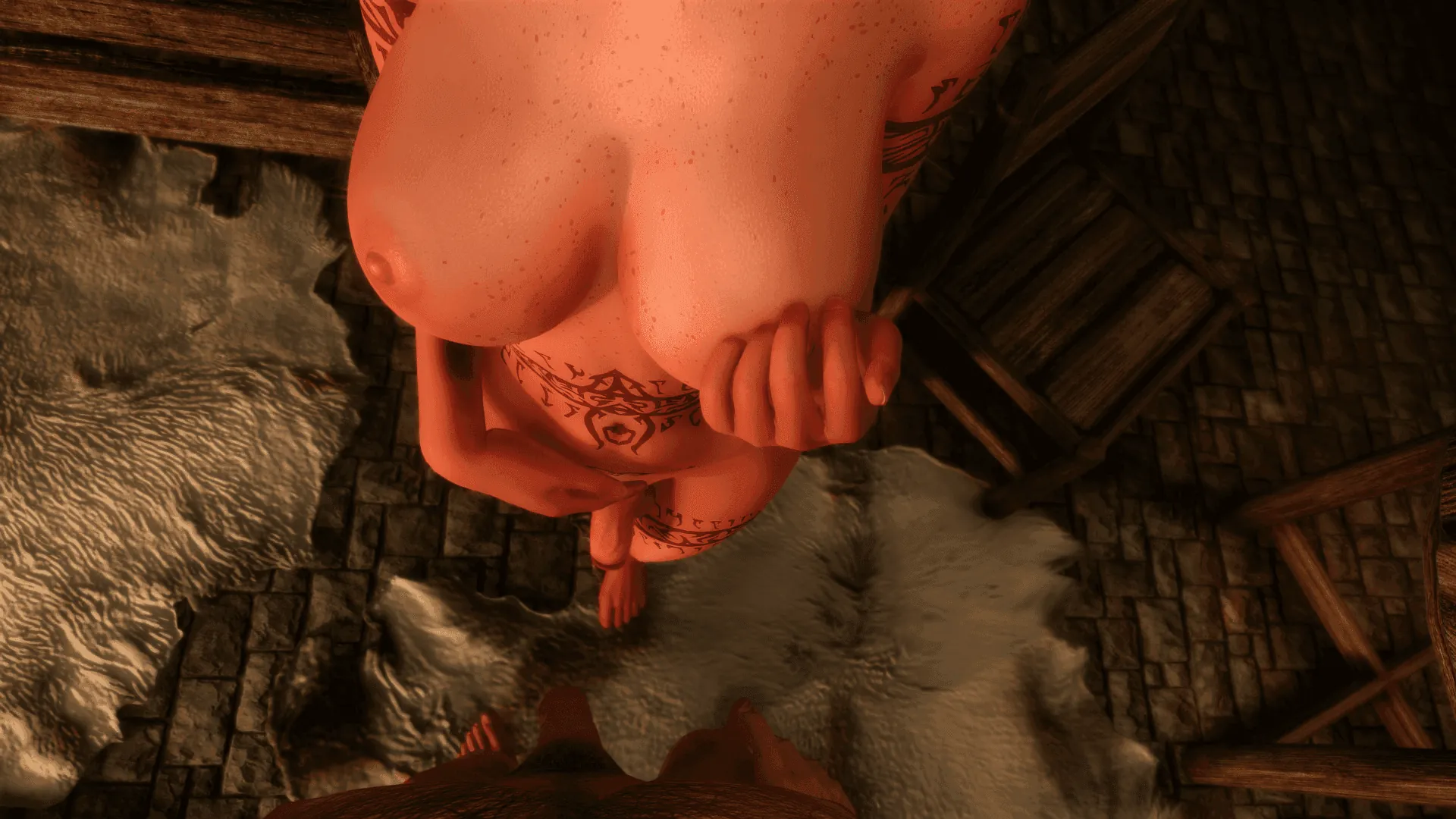
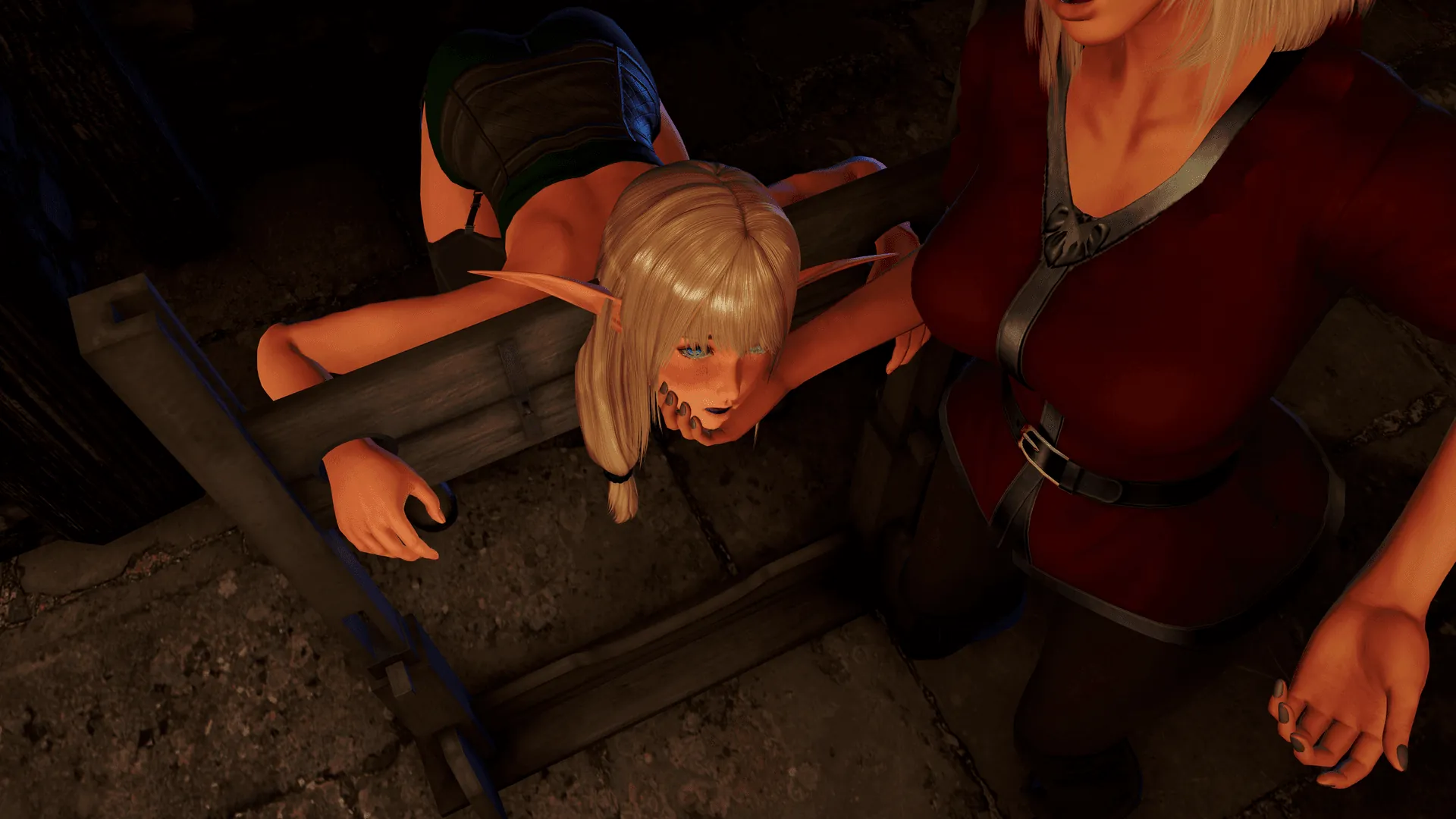
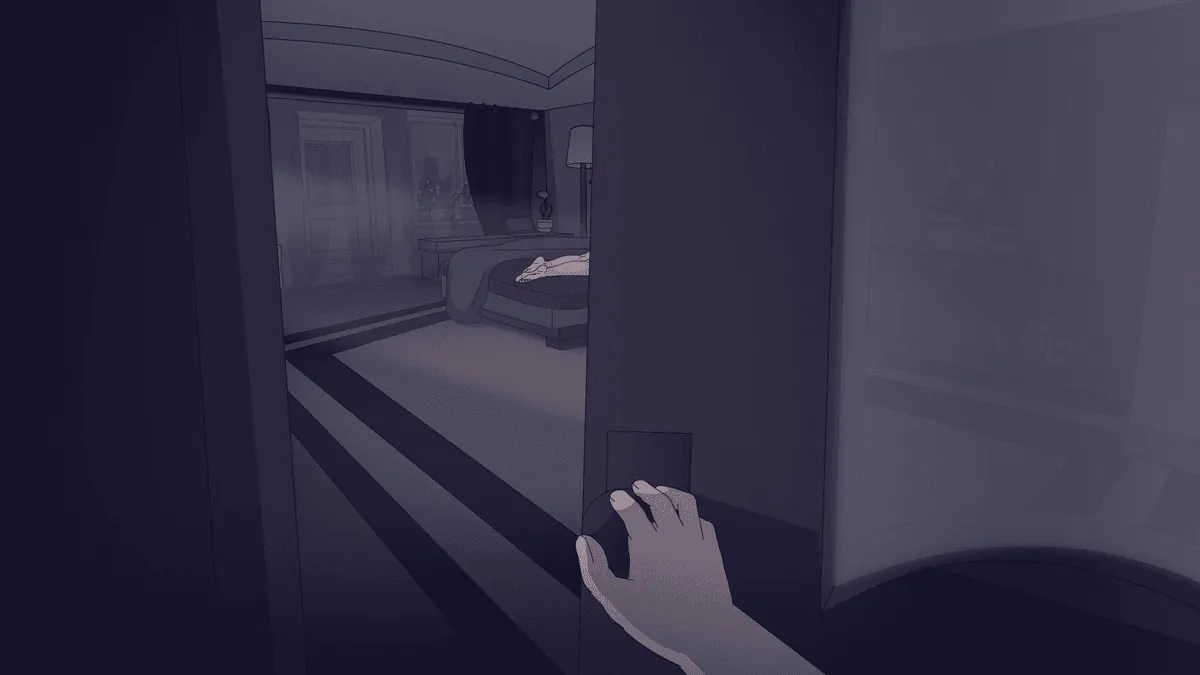
Deathable Screenshots









Deathable review
Explore the post-apocalyptic visual novel experience with choices that matter
Deathable stands out as a unique post-apocalyptic visual novel that combines dystopian storytelling with meaningful player choices. This game immerses you in a world where monstrous creatures have emerged from the earth, fundamentally changing civilization. You’ll navigate the relationship between two contrasting characters forced to coexist in this transformed world. The narrative-driven experience emphasizes decision-making, where every dialogue choice and action shapes the fate of your companions. Whether you’re new to visual novels or a seasoned player, understanding Deathable’s core mechanics and story elements will enhance your gaming experience and help you achieve the endings you desire.
Understanding Deathable’s Story and Setting
Picture this: you’re alone. Truly alone. The world you knew is dust, and the only company you keep is the whispering wind through broken skyscrapers and your own carefully rationed thoughts. This isn’t just a setting; it’s your new reality in Deathable. The profound solitude of this post-apocalyptic game narrative isn’t just backdrop—it’s the first character you meet, and it sets the stage for an emotional journey unlike any other. 🏚️
I remember booting up the game for the first time, the silence of that ruined cityscape almost unnerving. It perfectly frames the core question of this Deathable visual novel story: in a world stripped bare, what happens when an unexpected connection crashes into your solitary survival? Let’s pull back the curtain on the world, the people, and the powerful choices that define this unforgettable dystopian visual novel game.
The Post-Apocalyptic World and Its Origins
So, how did the world of Deathable end up in such a state? It wasn’t nuclear war or a zombie virus in the traditional sense. The catastrophe came from below. Deep within the earth, something stirred—massive, monstrous creatures that erupted to the surface, toppling cities and shattering civilization in what seemed like an instant. Humanity didn’t stand a chance. Governments fell, networks went dark, and survivors were scattered, forced into isolated pockets or lone-wolf existences.
You play as one of those lone wolves, living on the precarious outskirts of a decimated city. Your life is a cycle of scavenging, fortifying your shelter, and avoiding the eerie stillness that is now more threatening than any monster. The genius of this post-apocalyptic game narrative is in its quietness. The horror isn’t always in what you see, but in what you imagine lurking in the ruins. The game makes you feel the weight of every empty street and the history of every abandoned home.
This isn’t a world of raider gangs and car chases; it’s a world of profound loss and practical, grinding survival. Your character isn’t a chosen hero destined to fix everything. You’re just someone trying to make it to tomorrow, and that relatability is what hooks you. It creates a fragile, exhausted emotional state—the perfect conditions for a story about vulnerability and unexpected bonds.
Character Dynamics and Relationship Development
This is where Deathable shifts from a tale of survival to a masterpiece of connection. Just when you’ve settled into the rhythm of solitude, your world is disrupted. An unexpected visitor arrives, but they’re not from a neighboring survivor camp. They’re from the paranormal world—a being intrinsically linked to the very catastrophe that ruined the earth.
This sets up the brilliant heart of the Deathable character relationships. You have the human, grounded in the harsh, tangible reality of the fallen world, scarred by loss and trained for distrust. And you have the visitor, an entity whose very nature is alien, who may not fully grasp human fragility, and who represents a past you’re desperately trying to outrun.
The tension is immediate and electric. 💥 Is this being a threat? A spy? Or something else entirely? The game forces you into cohabitation, a slow-burn experiment in trust. Every interaction is loaded. A shared meal isn’t just about food; it’s a treaty. A conversation about the past isn’t just nostalgia; it’s a minefield.
What makes these Deathable character relationships so compelling is how the dynamic evolves purely through your dialogue choices. There’s no action-oriented gameplay to build rapport. It’s all in the words you choose, the questions you ask, the vulnerabilities you show or hide. Do you confront them about the destruction? Do you seek comfort in your shared isolation? The development of this relationship—from hostile roommates to something far deeper and more complex—is the true core of the Deathable visual novel story.
Pro Tip: Early on, I made the mistake of playing my character too tough, always choosing the defensive or sarcastic dialogue options. It led to a frosty, stagnant dynamic. On my second playthrough, I allowed for moments of quiet honesty, like admitting I missed the sound of rain on a proper roof. The shift in our interactions was immediate and profound. It taught me that in Deathable, strength is sometimes shown through shared fragility.
Here are the key story elements that define this tense, beautiful dynamic:
- The Weight of History: One of you survived the end; the other may be connected to its cause. This unresolved history hangs over every conversation.
- Cohabitation as Narrative Engine: Sharing a space forces small, intimate moments—cooking, cleaning, weathering a storm—that become the building blocks of a relationship.
- Cultural & Existential Chasms: Exploring what a non-human entity understands about human concepts like love, grief, or guilt creates fascinating dialogue.
- Eroticism as Narrative Depth: The game seamlessly blends intimate moments into the story. These aren’t gratuitous scenes; they are extensions of the emotional and trust-based journey, moments where walls fully come down in the most vulnerable way. In a dead world, physical connection becomes another powerful language.
How Your Choices Shape the Narrative
This brings us to the engine that makes everything tick: the undeniable truth that in this game, visual novel choices matter. This isn’t an illusion or a marketing tagline. Deathable is built on a cause-and-effect system where your decisions ripple through the entire narrative, ultimately determining which of the Deathable multiple endings you will experience.
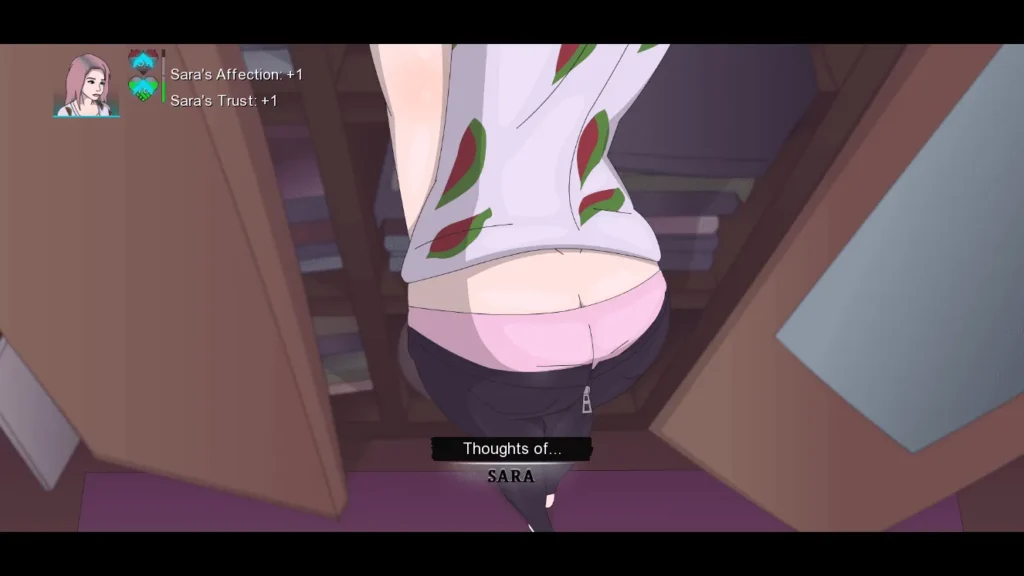
Think of every dialogue option as a brushstroke on a canvas. Are you painting a picture of cautious alliance, fiery romance, bitter rivalry, or tragic misunderstanding? The game tracks your trajectory along several key axes: Trust, Affection, Curiosity, and Independence. Your consistent choices in these areas silently steer the ship.
For example, consistently choosing to probe your visitor about their world builds Curiosity, which might unlock revelations about the apocalypse. Prioritizing shared tasks and gentle words builds Affection, paving the path for romance. But choosing to frequently leave them alone to go on long scavenging runs might bolster your character’s Independence, potentially creating emotional distance.
How to get different endings in Deathable boils down to this consistent characterization. The game doesn’t have a simple “good or bad” choice at the end. Instead, the ending is the cumulative result of who you’ve been throughout the entire story. Did you build a relationship based on equal partnership? On human dominance? On wary distance? The finale will reflect that.
The emotional journey is intense because you feel the stakes in every choice. A harsh word you chose in Chapter 2 might be referenced with hurt in Chapter 5. A moment of kindness you offered might be returned in a crucial, life-saving moment later. You’re not just watching a story unfold; you are authoring it in real-time, and the game has a long memory. 😌
To give you a clearer picture of where your choices can lead, here’s a breakdown of some key ending pathways:
| Your Primary Path | Key Choice Indicators | Narrative Outcome |
|---|---|---|
| The Union Ending | High Affection & Trust, embracing the connection, choosing interdependence over solitary survival. | A finale that suggests a new, hybrid beginning for both characters, finding a unique future together in the ruins. |
| The Sovereign Ending | High Independence & medium Curiosity, maintaining human primacy, seeking answers but keeping emotional walls. | An ending where knowledge is secured, but the personal connection remains formal or is severed, leaving you powerful but alone. |
| The Sacrifice Ending | Extreme Trust mixed with specific pivotal choices near the climax, putting the other’s existence above all else. | A profoundly emotional conclusion that redefines sacrifice, often seen as the most “pure” but bittersweet resolution. |
| The Severance Ending | Low Trust, high skepticism, consistently rejecting the bond and emphasizing the past destruction. | A harsh, lonely conclusion where the divide between human and paranormal is cemented, often ending in permanent separation. |
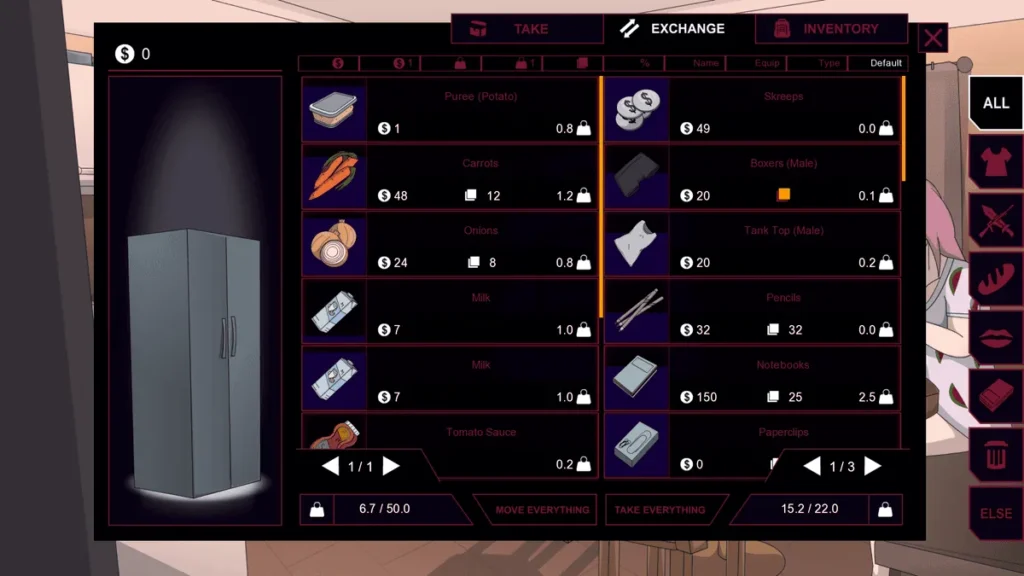
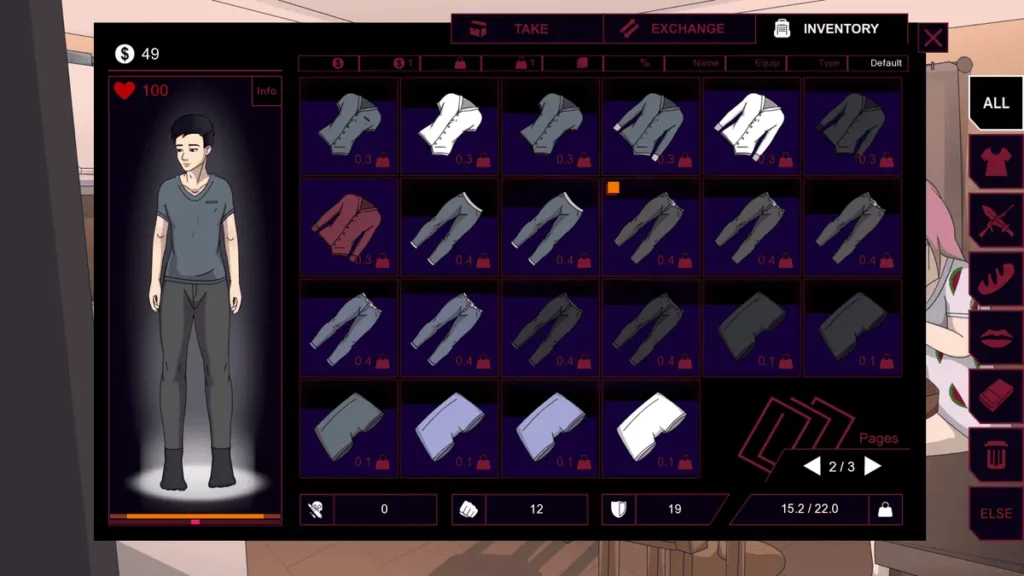
This system is what separates Deathable from more traditional adventures. There are no puzzles to solve for a “game over” screen, no inventory items to combine. The only tool you have, and the only thing that matters, is your capacity for connection as expressed through your words. It’s a powerful reminder that in the aftermath of everything, our choices about who to let in define the world we rebuild.
So, as you step into the silence of this shattered world, remember: your voice is the most powerful thing left in it. Use it carefully, use it honestly, and see what kind of future—or finale—you can sculpt from the ashes. The journey through Deathable’s multiple endings is a deeply personal one, and each path reveals a new, heartbreaking, or hopeful truth about what it means to find someone in the emptiness.
Deathable offers a compelling visual novel experience that merges post-apocalyptic storytelling with meaningful player agency. The game’s strength lies in its narrative depth, where your choices genuinely impact character relationships and story outcomes, creating a personalized journey through a transformed world. From understanding the dystopian setting and character dynamics to mastering the gameplay mechanics and managing technical requirements, you now have a comprehensive foundation for enjoying everything Deathable has to offer. Whether you’re drawn to the branching narrative paths, the complex relationship between protagonists, or the challenge of discovering multiple endings, this visual novel rewards exploration and experimentation. Start your journey into Deathable’s world, make your choices carefully, and experience how your decisions shape the fate of these two contrasting characters in their struggle for connection and survival.