Hero Party Must Fall
Play Hero Party Must Fall
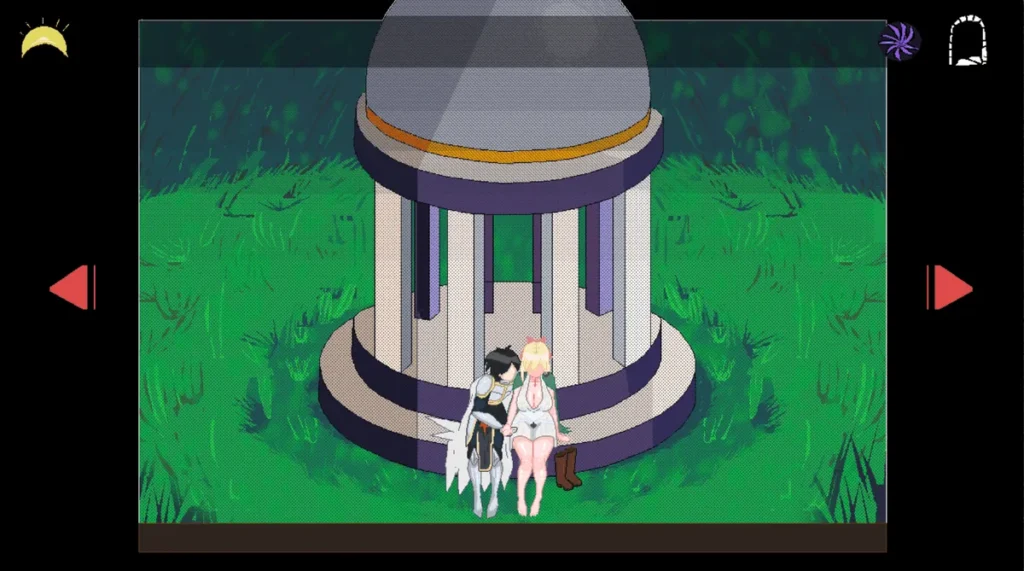
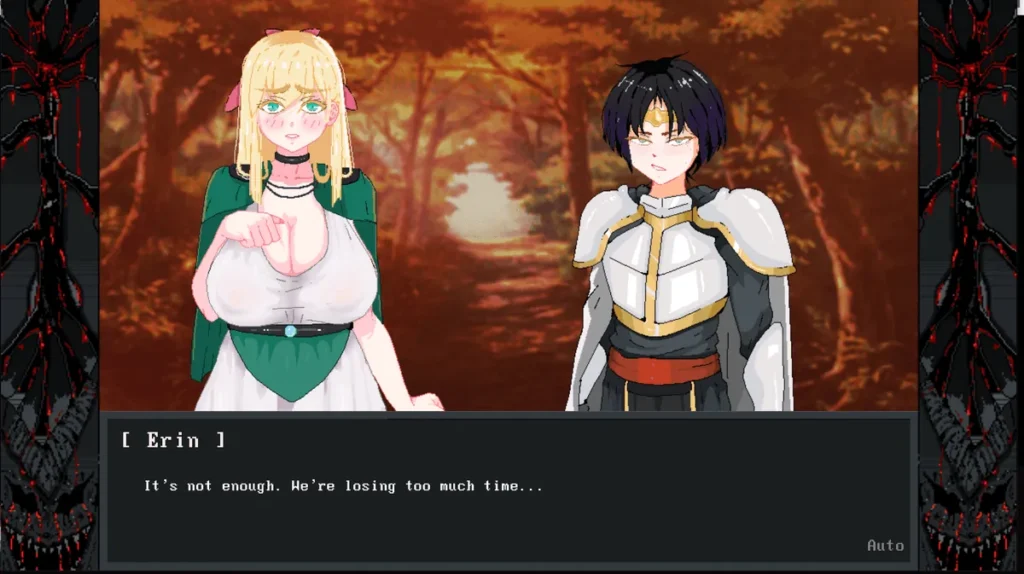
Hero Party Must Fall Screenshots

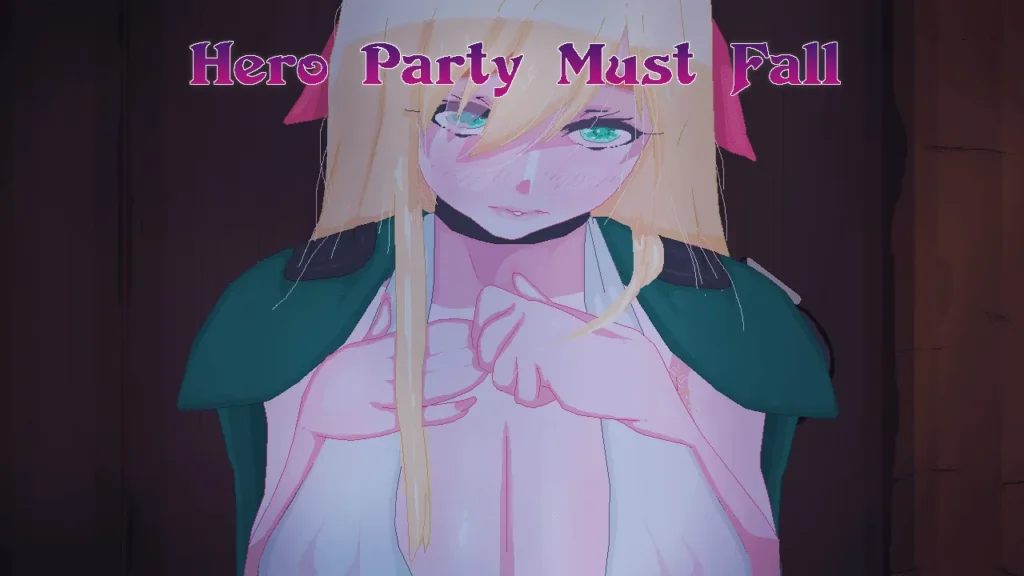
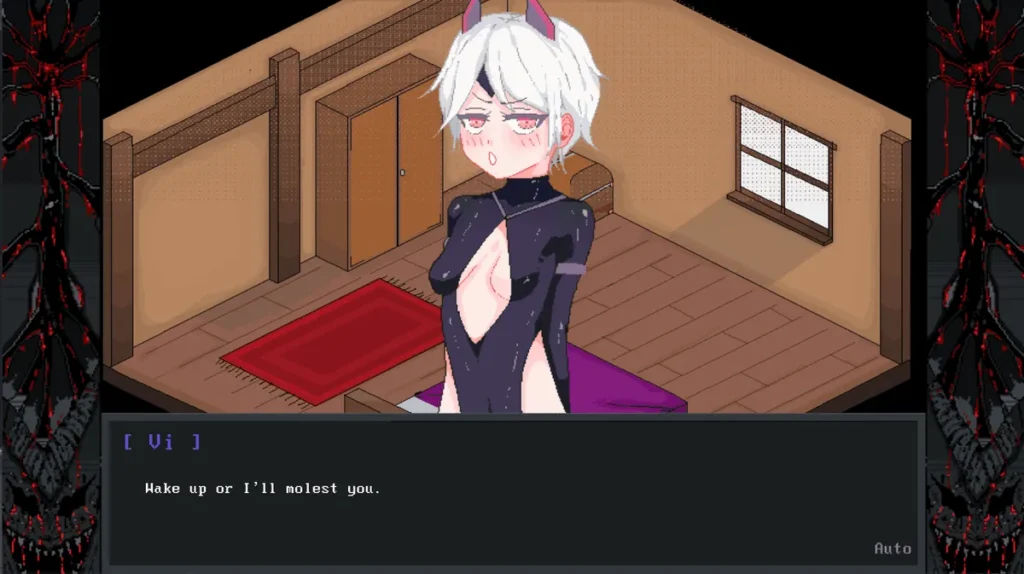
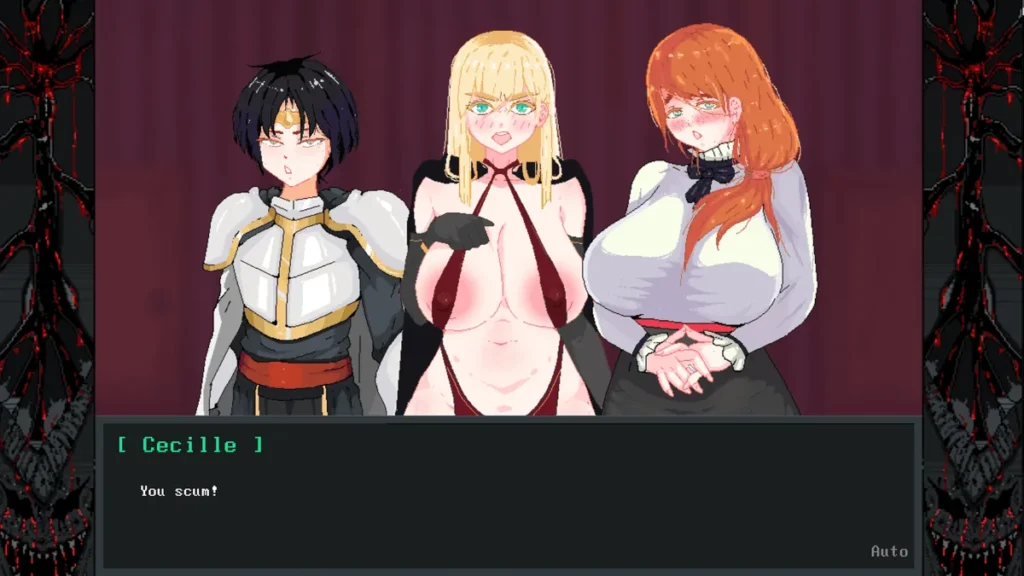
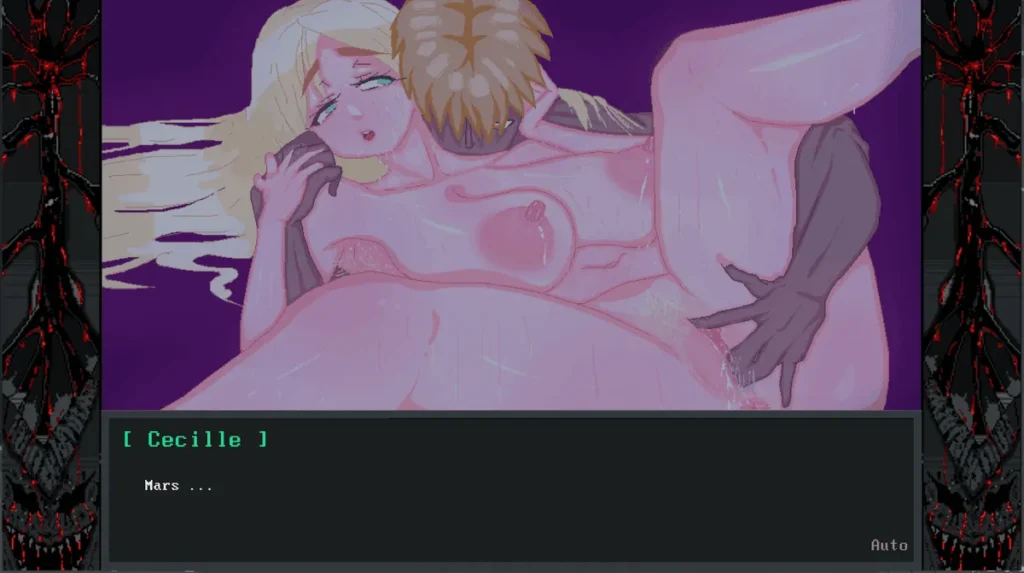
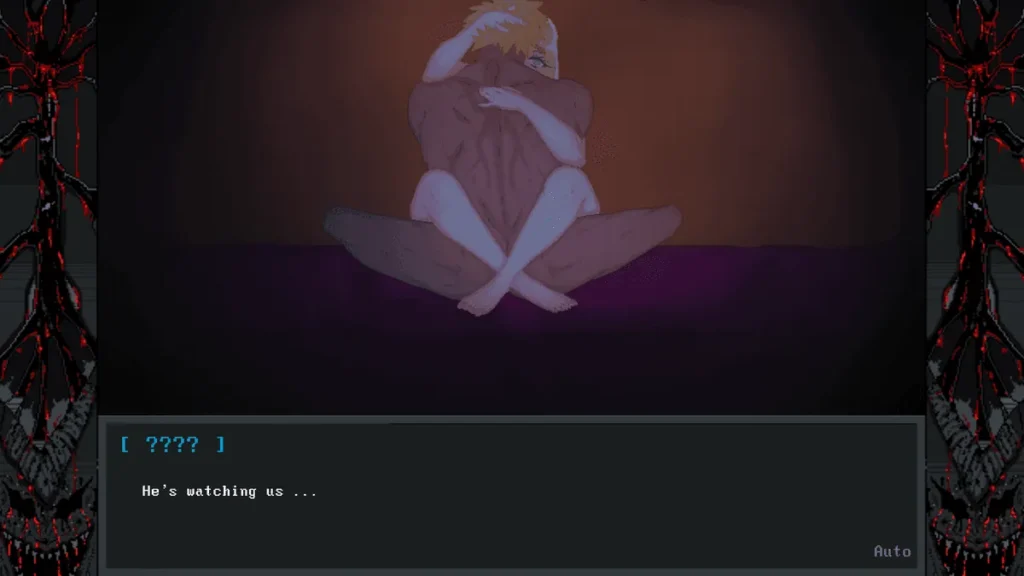
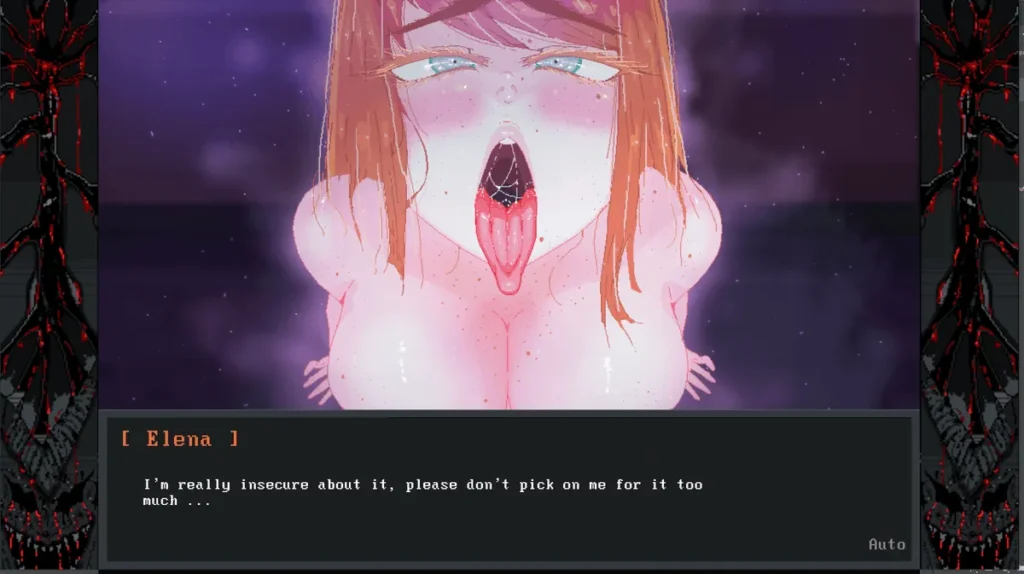
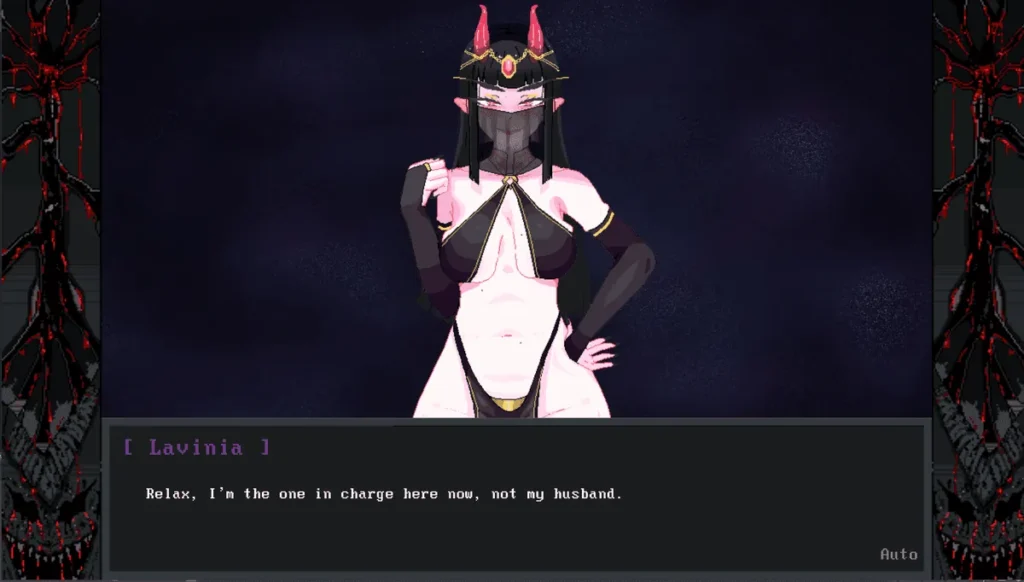
Hero Party Must Fall review
A personal, practical look at Hero Party Must Fall and how to get the most out of the game
Hero Party Must Fall is a corruption-focused RPG-style game that blends narrative, strategy, and explicit scenes into a slow-burn experience. Instead of throwing constant action at you, it asks you to patiently work through the daily rhythm of village life, dungeon dives, and character interactions as you gradually undermine and reshape the hero party from within. When I first tried Hero Party Must Fall, I was surprised by how carefully paced and story-driven it felt, and how much attention went into art, atmosphere, and the sense of a long, deliberate descent rather than quick gratification.
What Is Hero Party Must Fall and Why Does It Stand Out?
So, you’ve heard the name whispered in certain corners of the internet. Maybe a friend mentioned a game where you break heroes instead of saving the world. You’re curious, but you’re not quite sure what you’re getting into. Let’s clear that up right now. What is Hero Party Must Fall? At its core, it’s a corruption focused RPG with a deliciously simple premise: you are a hidden agent of chaos, embedded within a classic fantasy hero party. Your long-term mission isn’t to slay the Dark Lord, but to ensure this band of idealistic champions never reaches him. You are the rot within the apple, the slow poison in the cup, and your goal is to undermine, manipulate, and ultimately shatter this group from the inside out. 🍎⚔️
This isn’t a game of grand, immediate gestures. Calling Hero Party Must Fall a slow burn adult game is the most crucial piece of this Hero Party Must Fall game overview. If you’re expecting rapid-fire “scenes,” you’ll be disappointed. The adult content is the destination, but the journey—the meticulously crafted, emotionally nuanced journey of moral decay—is the entire point. The game deliberately takes its time, focusing on character development, the erosion of ideals, and the fragile dynamics of a found family slowly tearing itself apart. The pleasure isn’t in the fall itself, but in watching each character teeter on the edge for so, so long.
How does Hero Party Must Fall’s story structure work?
The narrative framework of Hero Party Must Fall is brilliantly focused, trading sprawling open worlds for incredible depth in a small space. Think of it as a compact, pressure-cooker stage where every interaction counts. 🎭
The game world revolves around a central hub—usually a village or camp that serves as the party’s home base. This is your main stage. Here, you’ll talk to party members, make subtle conversational choices, give “helpful” advice, and witness key story events unfold over a day-by-day calendar system. The other pillar is the dungeon: a multi-layered labyrinth the party must repeatedly explore to progress their “heroic” quest. These excursions provide conventional RPG progression (turn-based fights, loot, resource gathering) but, more importantly, they are engines for stress, conflict, and opportunity.
Here’s how the loop feeds the Hero Party Must Fall story:
1. Hub Phase: You spend time in the village. You chat. You observe. You plant seeds of doubt or encourage risky behaviors. Maybe you suggest the proud knight is being too cautious, or whisper to the naive cleric that the world isn’t as black-and-white as she believes.
2. Dungeon Phase: The party ventures into the depths. Battles are tough, resources are limited, and moral choices present themselves (do we use this suspicious artifact? Do we spare this monstrous but intelligent creature?). Your actions and suggestions here directly impact the party’s morale and relationships.
3. Return & Consequence: You return to the hub. This is where your work pays off. Exhaustion, stress, and the seeds you’ve sown now blossom into new events, changed dialogues, and shifting allegiances. A character who was once cheerful might now be short-tempered. A once-unbreakable bond might show a visible crack.
This limited geographic scale is the game’s superpower. Because you’re not traversing a continent, the developers have packed an astonishing amount of detail and reactivity into every location and character. You must engage with it like a classic JRPG: talk to everyone, and then talk to them again tomorrow. Re-check that empty barn, revisit the town square at night. The world feels static at a glance, but is in fact pulsing with hidden triggers and evolving story beats that make it feel surprisingly rich and alive.
What makes the corruption journey feel different from other games?
Many games feature “corruption” as a meter to fill or a simple choice between “good” and “evil.” Hero Party Must Fall treats it as an intricate character study, and that’s what makes it a landmark corruption focused RPG. The difference is in the texture, the patience, and the emotional credibility. 🧠
The characters don’t start as blank slates or willing participants. They begin as fully realized individuals with clear ideals, defined roles within the party, and authentic interpersonal dynamics. The stalwart leader, the compassionate healer, the brash warrior, the clever scout—you know these archetypes, and you grow to like them. Your manipulation isn’t a blunt instrument; it’s a precision tool that exploits their existing personalities and fears. You’re not magically brainwashing them. You’re applying sustained pressure to their existing flaws until they buckle under their own weight.
The change is glacial and believable. You won’t see a personality flip in a single scene. Instead, you’ll notice:
* Emotional Shifts: Idealistic optimism gives way to cynical pragmatism.
* Psychological Erosion: Confidence becomes arrogance, then paranoia. Compassion becomes weariness, then apathy.
* Social Fracturing: Inside jokes turn into barbed insults. Supportive teamwork degrades into selfish competition.
The core pleasure is anthropological: watching a beautiful, functional system slowly break down. It’s the slight tremor in a voice during a conversation that used to be lighthearted. It’s the way a character now stands alone at the tavern window, when before they’d always be in the thick of the group. The game trusts that you will find this gradual, heartbreaking unraveling more compelling than any single explicit payoff.
“It’s the quiet moment that gets you—when the paladin you admire stares at her sword not with purpose, but with disgust, and you realize you’re the one who put that look there. That’s the real power of this game.”
To illustrate the contrast, let’s look at how this slow burn adult game approach differs from others:
| Typical “Corruption” Game | Hero Party Must Fall |
|---|---|
| Focus on filling a meter or bar to reach a scene. | Focus on character psychology and evolving relationships. |
| Changes are often sudden and binary (good one day, evil the next). | Changes are gradual, with many intermediate stages of doubt and conflict. |
| The player character is often an overt force of evil or temptation. | The player character is a hidden influencer, leveraging subtlety and timing. |
| The story serves the adult content. | The adult content serves as a punctuation mark in a long-form character story. |
My first hours with Hero Party Must Fall
When I first booted up Hero Party Must Fall, I’ll admit I was braced for a certain… style of game. What I found instead completely disarmed me. The opening hours are a masterclass in subtlety and character establishment. You’re introduced to the hub—a cozy, struggling village at the foot of the cursed dungeon. You meet the party not as archetypes, but as people. 🏡✨
There’s a real warmth to them. The leader checks in on everyone with genuine concern. The mage and the fighter have a playful, sibling-like rivalry. You help them prepare for their first dive, offering suggestions on gear and strategy. At this point, the game feels almost wholesome. You think, “Okay, I’m just playing a well-written RPG about a hero party.” The sinister meta-goal feels almost abstract.
My personal “aha!” moment came at the end of the second dungeon run. It had been a rough trip. Resources were low, and we’d faced a morally ambiguous situation that left the party divided. Back in the village, I went through my usual routine of talking to everyone.
Here’s that example of the slow-burn storytelling in action: I found the party’s cleric, the moral heart of the group, at the village shrine. Normally, her dialogue was about hope and faith. This time, she was quiet. When I asked if she was okay, she said, “The prayers… they feel heavier today. Does that make sense?” It wasn’t a dramatic breakdown. It was a tiny, quiet crack in her unwavering facade. She then asked me, the new recruit, what I thought about forgiveness for monsters that seemed to feel pain. My dialogue choices here weren’t labeled “CORRUPT.” One was a gentle reaffirmation of her faith. The other was a more pragmatic, “Shouldn’t our safety come first?” I chose the latter. She didn’t transform. She just nodded slowly, said “I see,” and offered a faint, troubled smile. That was it. But the atmosphere had shifted. A seed of doubt had been watered, and I felt it.
That’s the magic of those first hours. You might initially think, “Is anything even happening?” You’re just talking, exploring, and fighting. But you become attached. You learn their routines, their hopes, their little quirks. So when the first small signs appear—a harsher tone, a selfish action disguised as pragmatism, a moment of isolation—they land with real emotional weight. The game’s excellent writing, combined with art that conveys subtle expression shifts and a soundtrack that subtly morphs to match the darkening mood, creates an incredibly immersive experience.
This Hero Party Must Fall review of the early game boils down to a lesson in patience and observation. Don’t rush. Soak in the normalcy. Talk to everyone, every day. Pay attention to the small changes. Your power isn’t in a mind-control spell; it’s in being a trusted confidant who just happens to always suggest the path of least resistance, the cynical take, the selfish option. You’re not forcing the story; you’re guiding it, one barely perceptible nudge at a time, toward an inevitable and deeply personal collapse. That is the unique, captivating, and utterly brilliant promise of Hero Party Must Fall.
Spending time with Hero Party Must Fall feels less like rushing through a checklist and more like settling into a long, deliberate descent that rewards patience and curiosity. The small but densely packed world, the careful pacing, and the slow, believable changes in the hero party combine into an experience that sticks with you far beyond any individual scene. If you enjoy character-driven stories, gradual moral decline, and the satisfaction of seeing long-term plans pay off, Hero Party Must Fall is worth approaching with an open mind, a bit of time, and a willingness to savor the journey rather than sprint to the finish.