
No More Secrets
Play No More Secrets
No More Secrets Screenshots
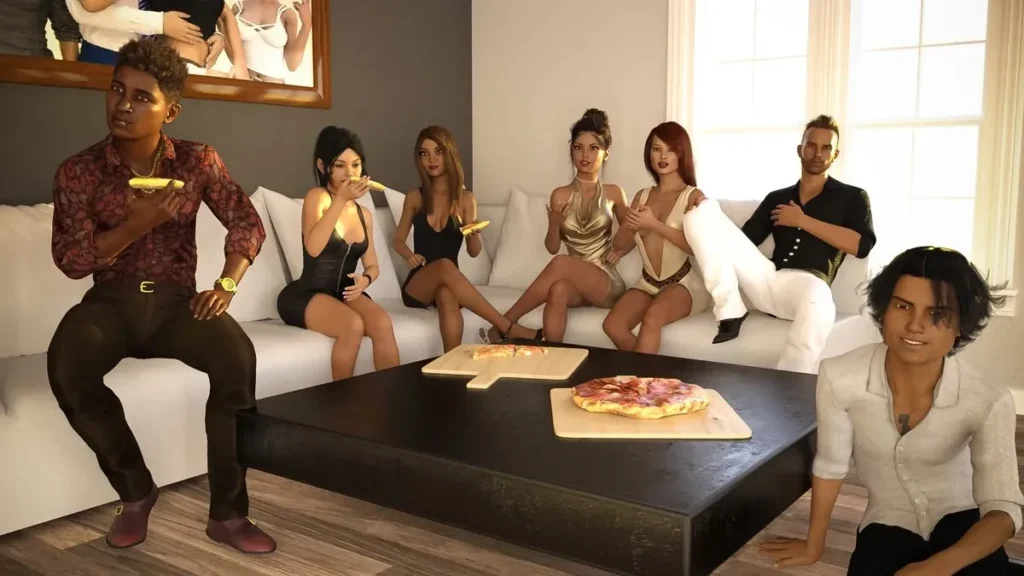

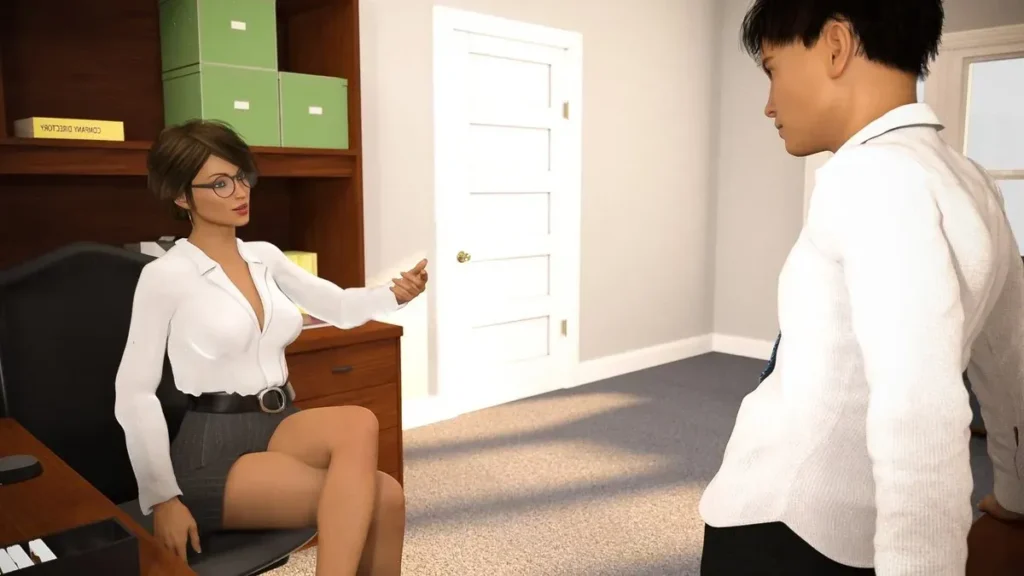












No More Secrets review
Everything you need to know about the visual novel experience, gameplay mechanics, and character routes
No More Secrets is a narrative-driven visual novel that immerses players in a compelling story centered around uncovering hidden truths. The game follows Brian, a high school student navigating complex relationships and mysteries after his father’s imprisonment. As you progress through the game, you’ll make critical choices that shape character relationships and determine which story paths you unlock. This guide explores the game’s mechanics, character dynamics, and strategic decision-making that defines your experience.
Understanding No More Secrets: Game Overview and Core Mechanics
Ever feel like you’re just watching a story unfold, with no real say in what happens? 🎬 That was me with traditional games until I discovered the No More Secrets game. This isn’t just another title you click through; it’s a living, breathing world where your voice is the most important one in the room. At its heart, this experience is a masterclass in choice-based narrative, where every whispered secret and every bold decision carves out a story that is uniquely, irrevocably yours. If you’ve ever wanted to step into a story and truly steer its course, you’re in the right place. Let’s pull back the curtain on this captivating visual novel.
What is No More Secrets and How Does It Work?
Imagine your life turning completely upside down. One day, you’re a regular guy, and the next, you’re Brian, a new student at High School, moving in with the stern Principal Phill because your father is… well, let’s just say he won’t be home for a while. 🏡➡️🔒 This sudden shift is the explosive premise of the No More Secrets game. You’re not just entering a new school; you’re stepping into a web of existing friendships, simmering rivalries, and buried secrets that everyone seems to be keeping.
So, how does it work? The core visual novel gameplay loop is elegantly simple yet deeply engaging. You’ll spend your time across three key activities:
- Exploration: The school and its surroundings are your playground. You can investigate different locations, from the bustling cafeteria to the quiet library, to find clues, trigger events, and learn more about the people around you. Think of it as being a detective in your own life. 🔍
- Dialogue and Choices: This is where you live. Nearly every conversation presents you with options. What you say directly shapes how characters perceive you. Will you be the charming new student, the aloof observer, or the blunt truth-teller? The power is yours.
- Relationship Building: Every interaction feeds into this. The characters in No More Secrets aren’t just set pieces; they have memories, moods, and preferences. Building a connection with them is the golden thread that runs through the entire experience.
The story unfolds across multiple episodes, with Episodes 1 and 2 freely available for you to dive into. This structure is brilliant because it means the choices you make in those early hours—like how you handle your first awkward lunch or what you say to a certain character in the hallway—don’t just vanish. They cascade forward, locking and unlocking possibilities in future episodes. It’s a promise that your attention and care matter from the very first click.
Character Relationships and Affinity System
Alright, let’s talk about the heart and soul of any great visual novel: the characters. In No More Secrets, you’re surrounded by a cast that feels startlingly real, each with their own dreams, frustrations, and, of course, secrets. 🫣 But you don’t build a relationship by accident here. The game employs a sophisticated, yet intuitive, character affinity system that silently judges your every move.
Think of it as an invisible scoreboard. Every time you choose a dialogue option that aligns with a character’s personality, help them with a problem, or simply choose to spend time with them, you earn relationship points. These points are the currency of trust and affection in this world. They aren’t just a number; they are a key. Reach a certain threshold with a character, and you unlock their specific story route, opening up private scenes, deeper conversations, and narrative branches that are entirely exclusive to that connection.
This visual novel decision system is always running in the background. The game tracks your progress through “flags” (specific choice combinations you’ve hit) and point totals. For example, consistently supporting one character might raise your points with them while subtly lowering them with a rival. It’s a dynamic, living system that ensures no two playthroughs are ever the same.
To give you a concrete idea of how this works, here’s a breakdown of the core relationship points mechanics for some key characters:
| Character | How to Gain Points | Key Unlocks (Example) |
|---|---|---|
| Megan 🎨 | Show interest in her art, be supportive and kind, choose peaceful resolutions to conflicts. | Unlocks private studio visits, shares her artistic insecurities, opens her personal story route. |
| Linda 💪 | Be direct and confident, engage in physical activities, stand up for yourself and others. | Gains her respect, unlocks gym or sports-related scenes, opens her route focused on strength and vulnerability. |
| Principal Phill 👔 | Follow the rules (initially), show academic interest, be responsible around the school. | Earns household privileges, reveals more about Brian’s father, unlocks narrative paths about trust and family. |
| Katherine 📚 | Engage in intellectual conversation, be witty, visit the library, solve puzzles logically. | Unlocks study sessions, shares hidden knowledge about the school’s history, opens a route rich with mystery. |
🎮 Pro Tip from My Playthrough: I learned the hard way that trying to make everyone happy is a surefire path to unlocking no one’s best ending. The character affinity system rewards focus and authenticity. Pick the characters you genuinely resonate with and invest in them!
Making Choices That Matter: Decision-Based Gameplay
This is where the rubber meets the road in your No More Secrets walkthrough. You might be wondering, “Do my choices really matter, or is it just an illusion?” Let me be blunt: in this game, they are everything. This isn’t a superficial “good vs. evil” slider. It’s a nuanced choice-based narrative where decisions are less about morality and more about personality, alliance, and curiosity.
The consequences can be immediate or delayed. A snarky comment might get you an eye-roll in the moment, but it could also mean that character refuses to help you with a critical problem three episodes later. Conversely, a small act of kindness, like returning a lost item, can build a reservoir of goodwill that pays off when you need an ally most.
Let me give you a real, tangible example from early in the No More Secrets game. Let’s say you encounter a character being unfairly blamed for a prank in the hallway. The game presents you with options that perfectly illustrate its visual novel gameplay depth:
- Option A: “I saw what happened. It wasn’t them.” (Requires you to have explored earlier and actually witnessed the real culprit).
- Option B: “Maybe we should all just calm down.” (A neutral, peacekeeping approach).
- Option C: Say nothing and walk away. (Avoiding involvement entirely).
Here’s how this single moment can branch:
If you choose Option A (and have the proof):
* You immediately gain a significant amount of relationship points with the exonerated character. They now see you as a trustworthy and observant ally.
* You may lose minor points with the accuser, who feels embarrassed.
* This unlocks a flag that allows you to ask that character for a favor later on, and they will almost certainly say yes.
* This path is only available if your prior exploration choices were thorough—a perfect example of early decisions enabling later ones.
If you choose Option B:
* You might gain a small number of points with both parties for being a calming influence.
* The conflict dissipates without resolution, and no major narrative flags are set.
* The moment passes without deepening any relationship, representing a “safe” but low-reward path.
If you choose Option C:
* You gain no points with the accused character, who notes your indifference. This might close off friendly interactions with them for a while.
* You avoid any negative points with the accuser.
* You miss a key opportunity to influence the social dynamic, potentially locking you out of a subplot involving that character’s personal struggles.
See the difference? One choice ripples out into character development, future visual novel decision system options, and story progression. This is the essence of the game. There’s no “right” answer, only your answer, and the story adapts to it.
This No More Secrets walkthrough guide aims to empower you, not to give you a single path to follow. The true magic is in replaying and seeing how a different version of “Brian” creates a completely different story. Will you uncover every secret? Will you mend broken bonds or create new rifts? In the No More Secrets game, that power—and that responsibility—is always in your hands. Your journey through its halls is waiting to be written.
No More Secrets delivers a rich visual novel experience where your decisions genuinely shape the narrative and character relationships. By understanding the affinity system, exploring thoroughly, and making strategic choices aligned with your desired story outcomes, you can unlock multiple routes and discover the various secrets each character holds. The game rewards experimentation and replay value, as different decision paths reveal new dialogue, scenes, and character development opportunities. Whether you’re seeking to uncover the mystery of Brian’s father or deepen specific character relationships, mastering the game’s mechanics ensures you experience the full depth of what this narrative-driven adventure offers.