Now & Then
Play Now & Then
Now & Then Screenshots


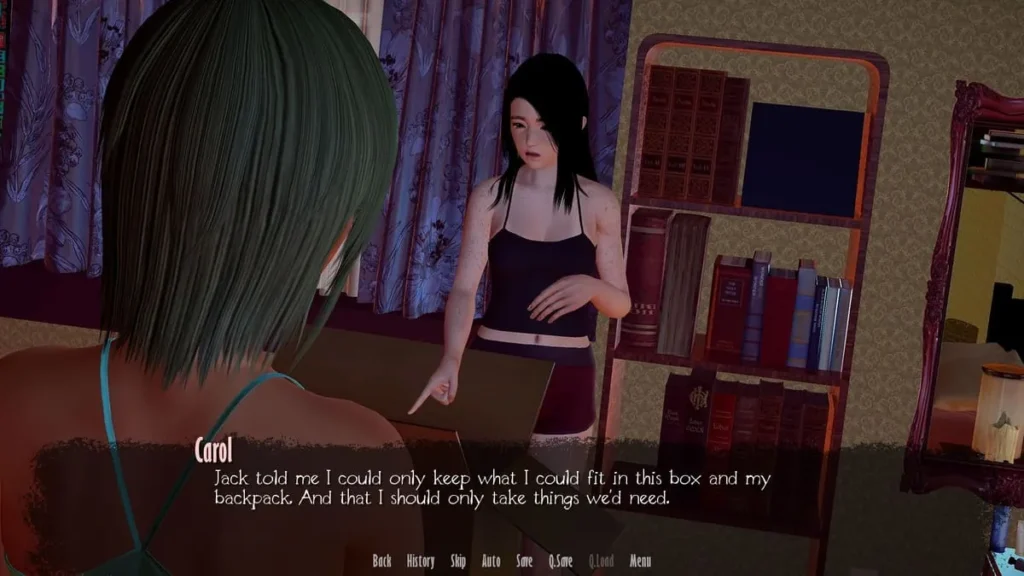
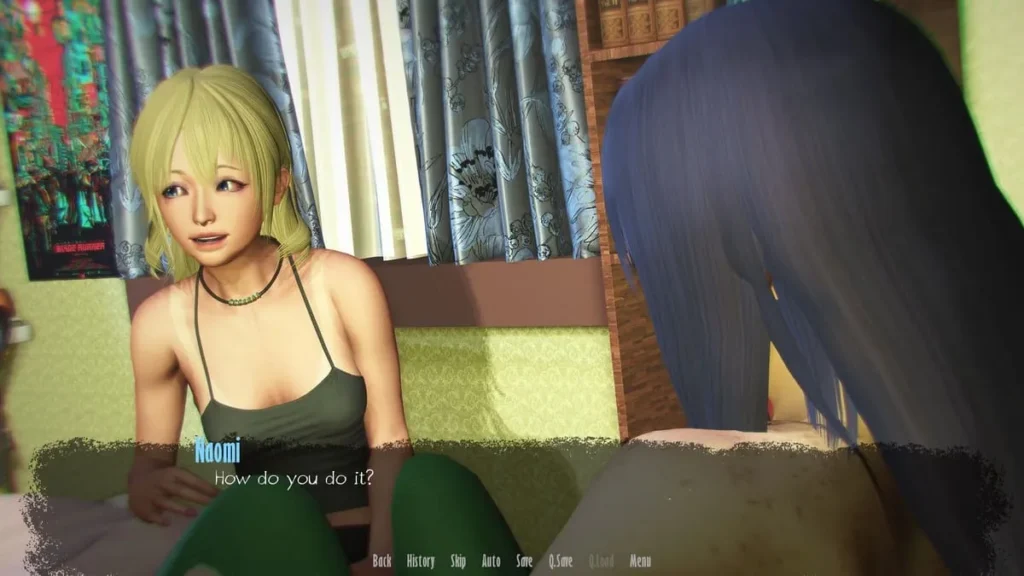
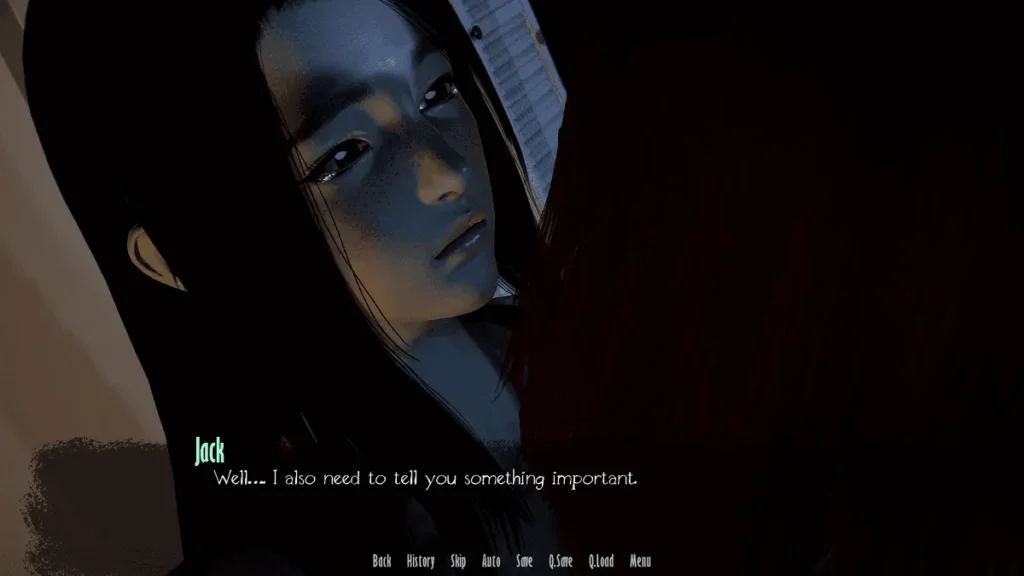




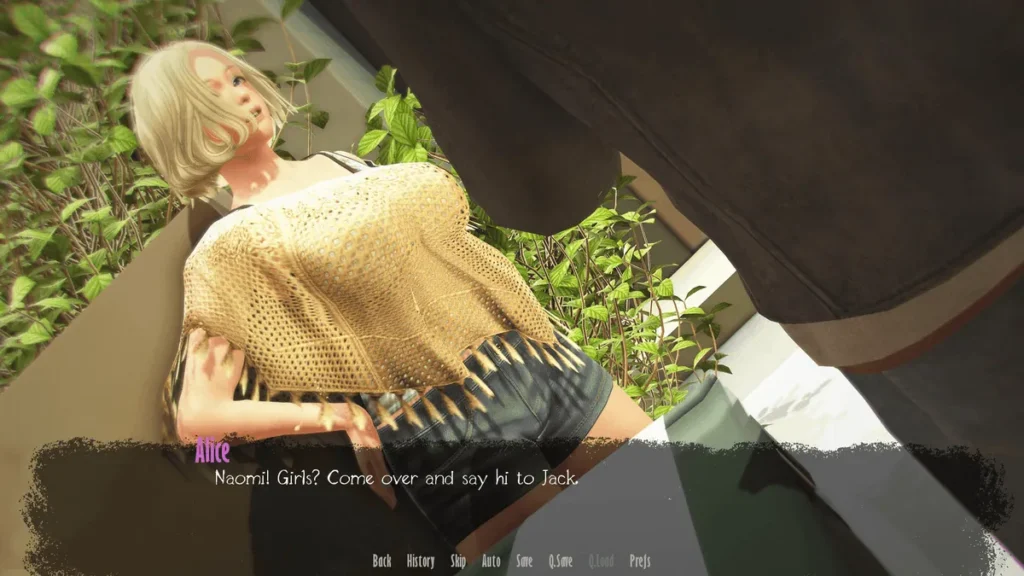
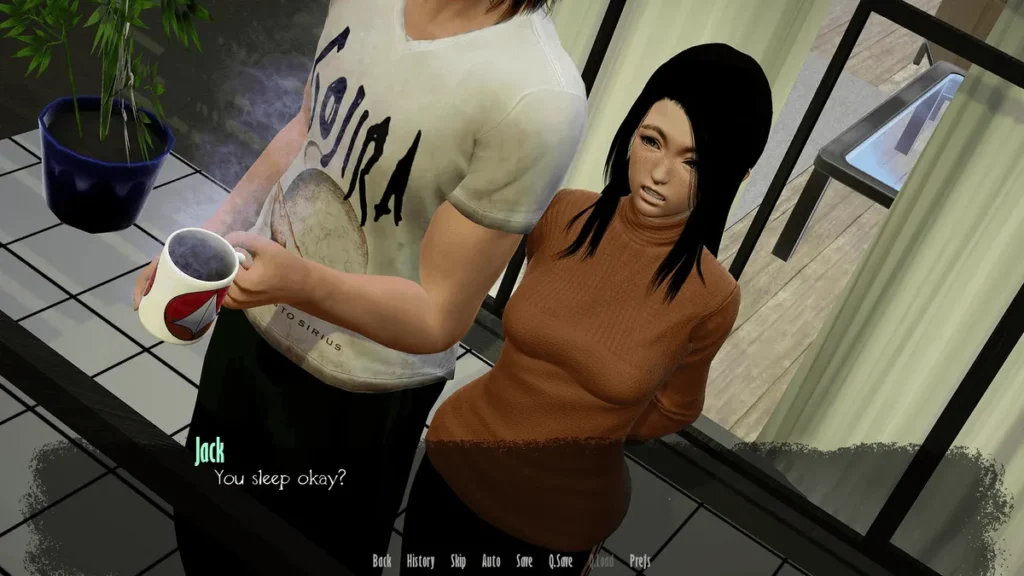


Now & Then review
Master storylines, character relationships, and unlocking all scenes in this narrative-driven experience
Now & Then is a narrative-driven interactive experience that has captivated players with its branching storylines and character-driven gameplay. This guide explores the game’s core mechanics, character relationships, progression systems, and how to unlock all available content. Whether you’re starting your first playthrough or seeking to experience every scene and storyline variation, understanding the game’s structure and stat system is essential. Players often encounter questions about specific scene triggers, relationship mechanics, and optimal paths through the game’s multiple chapters. This comprehensive guide addresses these common questions and provides actionable strategies for maximizing your gameplay experience.
Understanding Game Progression and Chapter Structure
So, you’ve clicked play on Now & Then and are ready to dive into its rich, character-driven world. Welcome! 👋 This isn’t a game you simply blast through; it’s a delicate dance of decisions where every choice ripples through the story. I remember my first playthrough—I was so focused on one character’s path that I was utterly shocked when another pivotal scene was completely locked off for me. I had to go back hours of gameplay! That’s why understanding the Now & Then game progression is your first step to mastering this narrative.
Think of the game as a beautifully crafted novel divided into digestible parts. You don’t just wander; you move forward through a clear chapter structure gameplay that both guides you and records every single decision you make. Your journey through these chapters is permanently shaped by the relationship stat system, a behind-the-scenes scorekeeper that determines who trusts you, who loves you, and who might just turn away. This guide is here to demystify all of that. We’ll break down how your branching choices impact the tale, how to manage your love and conflict points, and even how to use the unlock all feature and strategic save file locations to see everything this incredible story has to offer. Let’s get you from a passive reader to the author of your own experience.
How Chapter Progression Works in Now & Then
The Now & Then game progression is elegantly straightforward on the surface, but wonderfully complex beneath it. You advance through the story linearly from Chapter 1 onward, but the content within each chapter is entirely dynamic. It’s like a train on a fixed track (the chapter order), but you get to decide who sits with you, what conversations happen, and which doors on the train car you’re allowed to open.
Each chapter presents a series of key decision points. These aren’t just “Good vs. Evil” choices; they are nuanced, often asking you to side with one character’s perspective over another, choose how to spend your time, or decide on a course of action in a tense situation. The game automatically saves your progress at the start of new chapters, but here’s the golden rule from my own hard-learned lesson: save manually and often. Create multiple save slots at the beginning of any chapter, and especially before a big choice. The importance of these save file locations cannot be overstated for exploring the branching choices impact later.
Pro Tip: I always create a dedicated save at the start of Chapter 15. Trust me on this—it becomes a crucial fork in the road for accessing specific character-centric endings and scenes. Having a save here saves you a ton of replay time.
As of the latest updates, the journey is expansive. The developers have added over 430 new and updated renders, with fresh scenes and animations woven into the existing fabric, particularly noted from Chapter 11 onwards. This means even if you played a year ago, the chapter structure gameplay today offers more detail and depth. The story currently progresses through to Chapter 16, where a unique feature unlocks: the ability to revisit and replay almost any major scene from your completed playthrough. This is your reward and your tool for experimentation.
Stat System and Relationship Mechanics Explained
This is the heart and soul of Now & Then. If the chapters are the body of the story, the relationship stat system is its nervous system. Every meaningful interaction you have feeds into this system, which primarily tracks two things for key female characters: Love Points and Conflict Points.
Imagine a delicate scale for each character. Love Points represent affinity, trust, and romantic interest. Conflict Points represent tension, disagreement, and emotional distance. Your choices add weight to one side or the other. The most crucial concept to grasp is the “teeter-totter effect.” In many narrative-driven games, you can try to make everyone happy. Not here. Now & Then forces meaningful, often difficult choices. Choosing a path that heavily favors one character will frequently reduce your points with another. You are defining your priorities and, by extension, your story’s primary relationships.
These stats are almost always visible in the game’s user interface, giving you immediate feedback. Seeing a “+1 Love (Cassidy)” or “-2 Conflict (Naomi)” pop up is your direct line to understanding the branching choices impact. These numbers aren’t just for show; they are literal keys. They unlock specific dialogue options, private scenes, and ultimately, determine which character’s storyline you are eligible to pursue as the plot deepens.
To visualize how this works, let’s look at a hypothetical but very common choice structure:
| Your Story Choice | Primary Character Affected | Love Points Change | Conflict Points Change | Secondary Character Impact |
|---|---|---|---|---|
| Comfort Cassidy after an argument. | Cassidy | +3 | -2 | Naomi (Love -1, Conflict +1) |
| Side with Naomi on a group decision. | Naomi | +2 | -1 | Cassidy (Love -2, Conflict +2) |
| Remain neutral and change the subject. | All | +0 | +1 | No major loss or gain, but opportunity is missed. |
This table shows the beautiful, painful math of relationship-building in this game. You cannot max out everyone’s love meter simultaneously. The relationship stat system demands commitment. My advice? Don’t fight it on your first playthrough. Pick the character who resonates with you most and lean into their path. Embrace the jealousy or disappointment from others as part of your unique story. You’ll have the tools to explore other paths later! 🎭
Unlocking Scenes and Replay Features
So, you’ve fallen in love with the world of Now & Then and want to experience everything it has to offer. Maybe you missed a scene with your favorite character, or you’re curious about the “what if” of a major decision. The game provides two fantastic ways to do this: the unlock all feature and strategic replay.
First, let’s talk about the gallery. Once you complete the main story through Chapter 16, you gain the ability to revisit scenes. However, you’ll only have access to the scenes you personally unlocked based on your choices and relationship stats. This is where the final version’s unlock all feature becomes a blessing for completionists. This feature, often found in the game’s preferences or as a special unlock, allows you to open every single image and animation in the gallery without meeting the in-game requirements. It’s perfect for appreciating the artists’ work or catching content from paths you didn’t take.
However, if you want to experience the branching narratives in context—with the full weight of your choices—manual replay is the way to go. This is where your strategic save file locations come into play. Here is my personal list of essential save points:
- Chapter 1 Start: Your pure, untainted beginning. Perfect for starting a completely different character focus.
- Before any major “group choice” in Chapters 8-12: These are often pivotal moments that solidify your primary relationship.
- The Start of Chapter 15 (Cannot be emphasized enough!): This is the critical juncture. The game assesses your love and conflict points here and directs you down a final path tailored to your highest-stat character. A save here lets you branch to different endings without replaying 14 chapters.
- Chapter 16 Start: For experimenting with the final choices and their immediate consequences.
The branching choices impact is fully realized when you use these saves. You can load your Chapter 15 save, make two different choices, and see two radically different concluding scenes. The game’s chapter structure gameplay is designed for this exploration. Remember, the ability to replay scenes from the Chapter 16 menu is a fantastic tool, but it shows you the scene as it occurred in your last playthrough. To see a scene with different dialogue or outcomes, you need to actually change the story path that leads to it.
Mastering Now & Then isn’t about brute force; it’s about mindful navigation. By understanding the Now & Then game progression and its elegant yet demanding relationship stat system, you transform from a passenger into a pilot. You learn to place your save file locations with purpose, appreciating how deep the branching choices impact truly goes. Whether you use the unlock all feature to admire the artwork or replay chapters to live every possible story, you now hold the map to this entire narrative-driven experience. Now go back, load that save, and see what happens when you choose differently. A whole new story is waiting.
Now & Then offers a rich, choice-driven experience where every decision shapes your journey through multiple character paths and storylines. Understanding the stat system, strategic save placement, and specific scene requirements transforms your gameplay from frustrating to rewarding. Whether you’re pursuing a single character’s route or aiming to experience all content variations, the game’s branching narrative structure ensures that each playthrough feels distinct and meaningful. As the game continues development with new chapters and the promised unlock all feature, players have even more reasons to engage with this evolving interactive experience. Take time to explore different choices, maintain saves at key moments, and don’t hesitate to consult guides when specific scenes don’t appear as expected—the game’s complexity is part of what makes discovering all its content so satisfying.