
Tropicali
Play Tropicali
Tropicali Screenshots
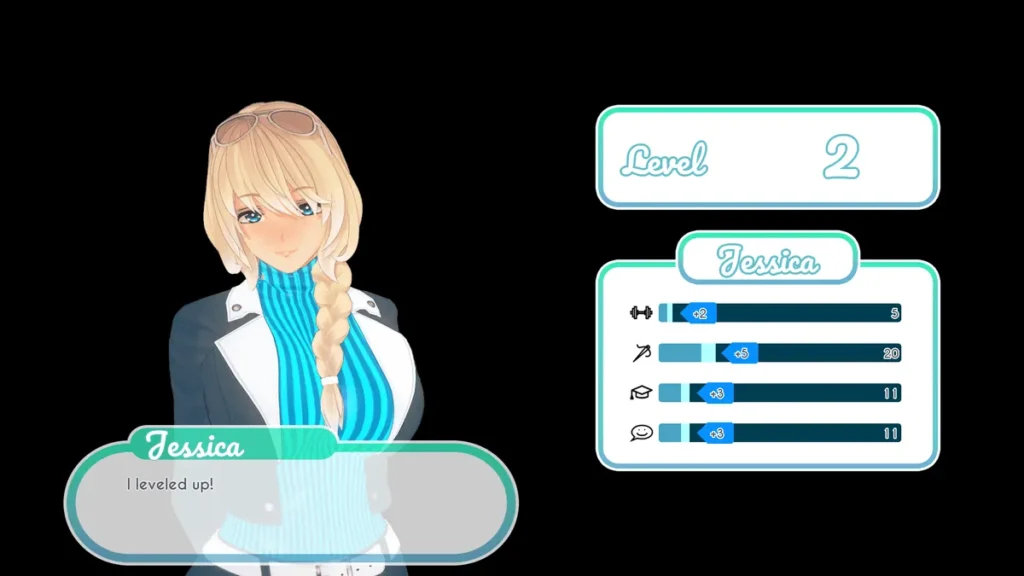
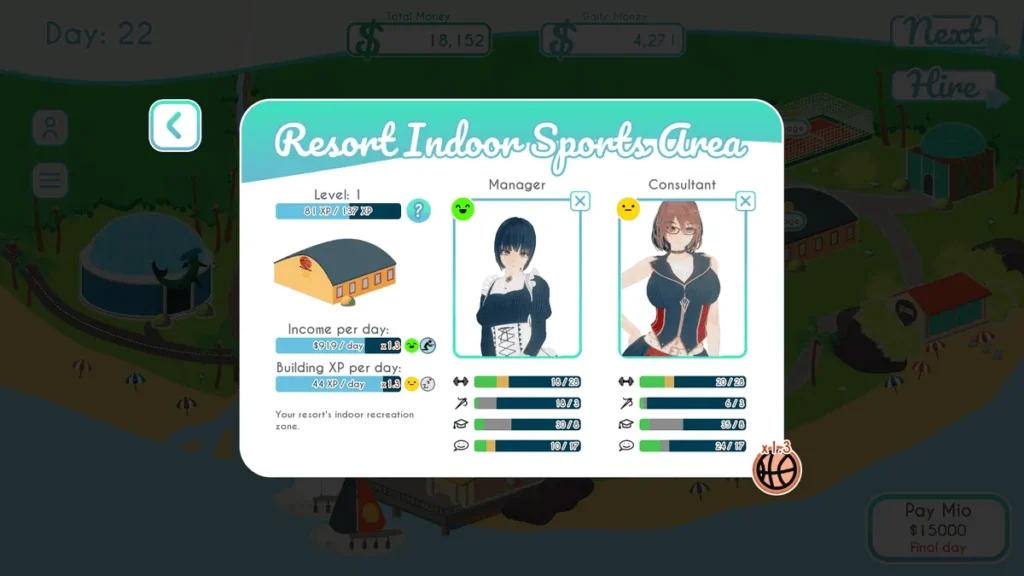
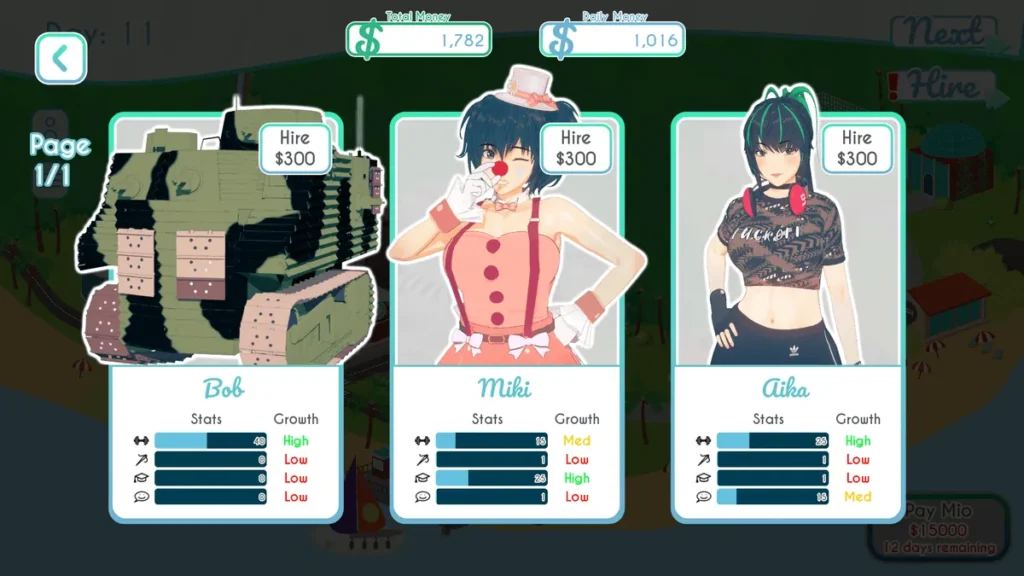

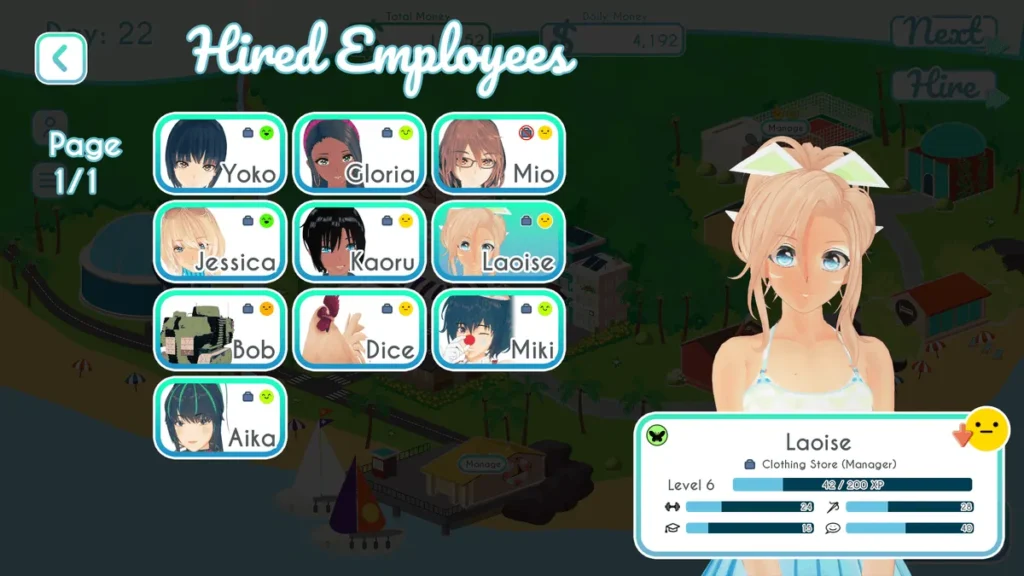











Tropicali review
Explore the mechanics, story, and interactive systems of this tropical management adventure
Tropicali is a sophisticated management adventure that combines point-and-click exploration with deep interactive storytelling. Developed by Story Anon, this tropical-themed experience puts you in control of a prestigious resort inherited from your late father. The game seamlessly blends classic adventure mechanics with choice-driven narrative systems, creating a world where every decision shapes your relationships and unlocks unique story paths. With over 4000 renders, 50 animations, and multiple hours of engaging content, Tropicali delivers a comprehensive gaming experience that rewards exploration, strategic thinking, and meaningful player choices.
Core Gameplay Mechanics: How Tropicali Works
Ever felt like you’re just watching a story unfold instead of truly living it? 🎮 That was my biggest gripe with a lot of narrative games—until I booted up Tropicali. This isn’t a passive experience; it’s a vibrant, breathing world where your every click and choice ripples through the island. The magic lies in how its systems talk to each other. You’re not just solving a puzzle in isolation; you’re doing it to win someone’s trust. You’re not just picking a dialogue option; you’re shaping your entire future on the island. Let’s pull back the curtain on the brilliant Tropicali gameplay mechanics that make this all possible.
Point-and-Click Exploration and Navigation
Remember the classic, cozy feeling of exploring every pixel of a detailed scene in a 90s adventure? Tropicali is a love letter to that era, perfected for the modern player. The core of this point-and-click adventure game is deceptively simple: you move your cursor across the lush, hand-painted environments, hunting for hidden hotspots that change shape. A glint on a palm tree? A slightly odd-shaped rock on the beach? That’s the game inviting you to investigate. 🏝️
But here’s where it gets clever. The world of Tropicali is deeply interconnected. An item you find in the dense jungle canopy might be the key to fixing a broken radio in your beachside cabana. A conversation with the local botanist, Maya, might give you a clue about a peculiar fungus growing on a tree, which turns out to be crucial for a medicine someone else needs. This isn’t just about finding objects; it’s about understanding the ecosystem of the island itself. The player agency comes from piecing together these environmental clues yourself. The game won’t hold your hand with a giant quest marker. It trusts you to observe, think, and connect the dots.
Pro Tip from My Playthrough: I spent a solid ten minutes stuck because I didn’t think to “look up” in the jungle clearing. The solution was dangling right above me—literally! Always move your cursor slowly to every corner of the screen.
This exploration is the foundation of everything. It’s how you gather resources, discover secrets, and most importantly, find the characters and situations that drive the story forward. The peaceful act of clicking around is your first and most constant form of interaction with the world.
To see how these core systems work together to create meaningful player agency, let’s break them down:
| Core Mechanic | How it Manifests in Tropicali | Player Agency & Impact |
|---|---|---|
| Exploration & Navigation | Interconnected island environments with hidden, context-sensitive hotspots. Scenes are densely packed with interactive elements that may not be immediately obvious. | You direct the pace and focus of the story. Choosing to explore the coral reef versus the mountain shrine first can lead to discovering different characters, items, and story triggers, creating a personalized sequence of events. |
| Inventory & Puzzle Solving | A curated inventory where items have multiple uses. Puzzles are logical, multi-step, and often require combining environmental observation with character knowledge. | You solve problems your way. A puzzle might have two solutions: one using a crafted tool and another using a favor from a friend you’ve built a strong relationship with. Your choices in other systems directly enable or bypass puzzle steps. |
| Dialogue & Choice | Branching dialogue trees with tone-based options (Helpful, Flirtatious, Sarcastic) and occasional timed responses. Choices are remembered and influence character attitudes. | You define your personality and relationships. Every conversation is a building block for your reputation on the island, unlocking unique quests, romantic paths, or even creating lasting enmities that close off story branches. |
Inventory Management and Puzzle Solving Systems
Forget the endless hoarding of junk “just in case.” 🧳 In Tropicali, your inventory is a carefully curated toolkit, and every item tells a story. This isn’t just inventory puzzle solving; it’s survival logic. You won’t find a random rubber chicken here. Instead, you’ll collect a sturdy coconut shell, some fibrous vines, and a piece of scrap metal. Individually, they’re just parts. But in your hands, they can become a makeshift fishing trap, a repair for a leaky roof, or a gift to barter with.
The puzzles are beautifully woven into the world and the Tropicali character relationships. Let me give you a real example from my first playthrough. Old Man Hector’s fishing net was torn. The obvious solution? Find some twine. But I didn’t have any. However, I had spent time earlier helping Maya in her garden, learning about strong plant fibers. I also had a broken bracelet from another encounter. In my inventory, I combined the knowledge (the idea of plant fibers) with the broken bracelet’s clasp. The game recognized this logical combination and allowed me to craft a crude but functional net repair. Hector was thrilled, and our friendship deepened—unlocking his side quest about the island’s history.
This is the essence of the system. Puzzles often have multiple solutions based on what you have and who you know. Maybe you can fix a bridge with a plank you found, or you can convince the handy mechanic, Leo, to do it for you if you’ve been consistently supportive of his projects. The Tropicali gameplay mechanics are in constant conversation. Your success in management and survival is directly tied to the social capital you build.
Dialogue Trees and Choice-Based Progression
This is where Tropicali truly shines and earns its title as a masterclass in choice-based narrative system. Every conversation is a delicate dance. You’re not just picking what to say; you’re choosing how to say it. The branching dialogue trees are flavored with clear tone tags: [Helpful], [Flirtatious], [Sarcastic], [Dismissive], and more. These aren’t just for show—they are the primary drivers of your Tropicali character relationships.
The game has a profound memory. A sarcastic quip you made hours ago might be referenced in a later conversation, with a character prickling at your perceived disrespect. A flirtatious advance, if reciprocated, can slowly blossom into a full subplot. And sometimes, the game puts you on the spot with a timed response, forcing you to go with your gut instinct, which makes those decisions feel incredibly weighty.
Let’s look at a concrete example involving Leo, the gruff but soft-hearted mechanic, and his broken-down jeep.
Scenario: Leo is frustrated, covered in grease, trying to hammer a part. You have the wrench he needs in your inventory.
-
Path 1: The [Helpful]/[Flirtatious] Combo
- You choose: “[Helpful] Here, let me hand you that wrench.” followed by “[Flirtatious] You know, a little grease is a good look on you.”
- Outcome: Leo is taken aback but amused. He accepts the help, and his relationship meter increases significantly. This opens up a unique dialogue branch later where he might confess he’s building something special for the island festival, potentially starting a romantic subplot. You’ve unlocked a warmer, more personal side of his story.
-
Path 2: The [Dismissive]/[Aggressive] Route
- You choose: “[Dismissive] Looks like you’ve got it under control.” (Walk away). Later, if you’re forced to interact, you might say “[Aggressive] Maybe if you were more organized, you wouldn’t lose your tools.”
- Outcome: Leo’s face darkens. He mutters something under his breath. His relationship meter plummets. Later, when you genuinely need his help to access a critical part of the island, he may “be too busy” or charge you an exorbitant fee. You have permanently damaged this relationship, locking you out of his quests, backstory, and any potential aid he offers.
-
Path 3: The Neutral/Transaction Path
- You choose: “I have a wrench. I’ll trade it for some of that spare fuel you mentioned.”
- Outcome: A purely business transaction occurs. Leo respects the deal, gives you the fuel, and your relationship remains neutral and professional. You get the immediate resource you need, but you don’t unlock any deeper layers of his character. The story with him progresses in a standard, functional way.
This single interaction showcases the power of the interactive story choices. Your Tropicali gameplay mechanics knowledge—knowing you have the wrench—merges with your role-playing decision to create wildly different narrative outcomes. This is repeated dozens of times across all characters, creating a web of consequence-driven decision-making.
The replay value this creates is immense. On a second playthrough, by simply choosing different dialogue tones and helping different people, you can experience entirely different story beats, unlock secret areas that require a specific character’s trust, and see completely new sides to the island and its inhabitants. It makes Tropicali not just a game you play, but a story you author, one interactive story choice at a time. Your journey is uniquely yours, shaped by every click, every combined item, and every word you choose to speak. 🌺✨
Tropicali stands out as a thoughtfully crafted management adventure that respects player intelligence and agency. By seamlessly integrating point-and-click exploration, inventory-based puzzle solving, and consequence-driven dialogue systems, the game creates a world where every decision matters. The tropical resort setting provides an engaging backdrop for character relationships that develop naturally through meaningful interactions rather than predetermined paths. With its substantial content volume, high-quality visuals, and multiple branching narratives, Tropicali offers significant replay value for players who want to experience different story outcomes and character arcs. Whether you’re drawn to the management mechanics, the interactive storytelling, or the character-driven narrative, Tropicali delivers a comprehensive experience that rewards exploration, strategic thinking, and meaningful engagement with its world and characters.